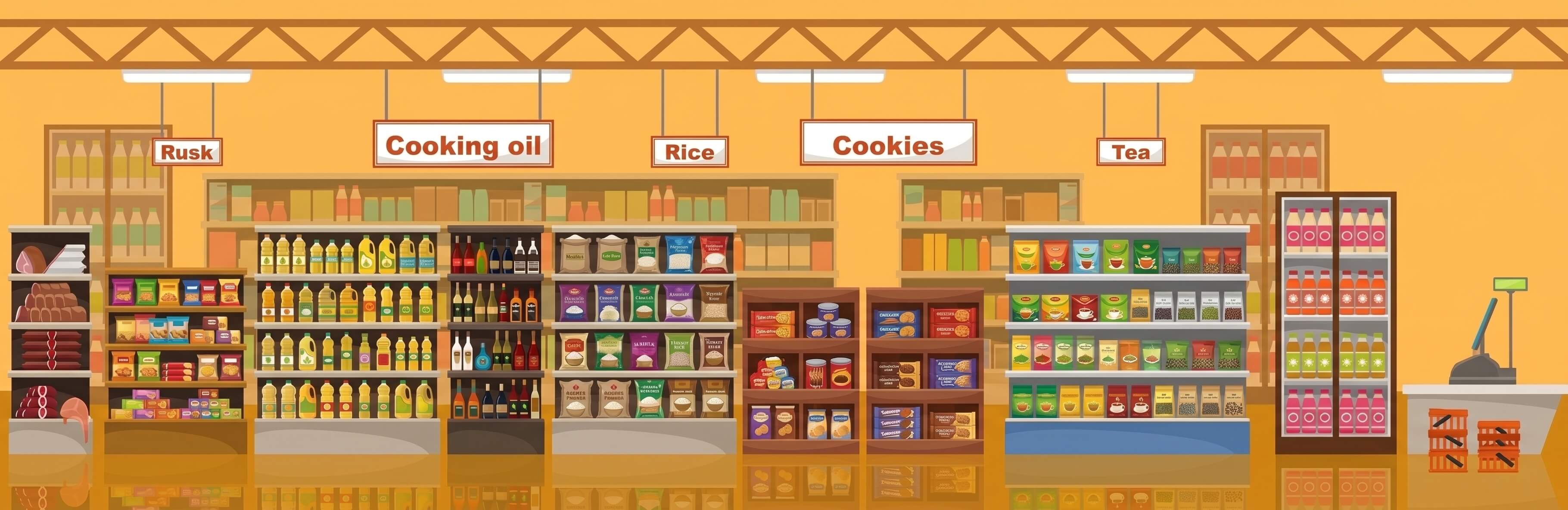
4. Spices, Seasonings and Cooking Essentials
Spices and seasonings may be smaller products, but they can bring customers back to your store regularly. Many households use these products as part of their everyday cooking.
For retailers, the key is to offer the products people actually use rather than trying to stock every possible variety.
Keep the Right Variety
Consider stocking:
- Common spices
- Seasoning products
- Different pack sizes
- Products suited to local customer preferences
These products also take up relatively little shelf space, so a carefully selected range can give customers more choice without taking over your shelves.
5. Packaged Grocery and Convenience Products
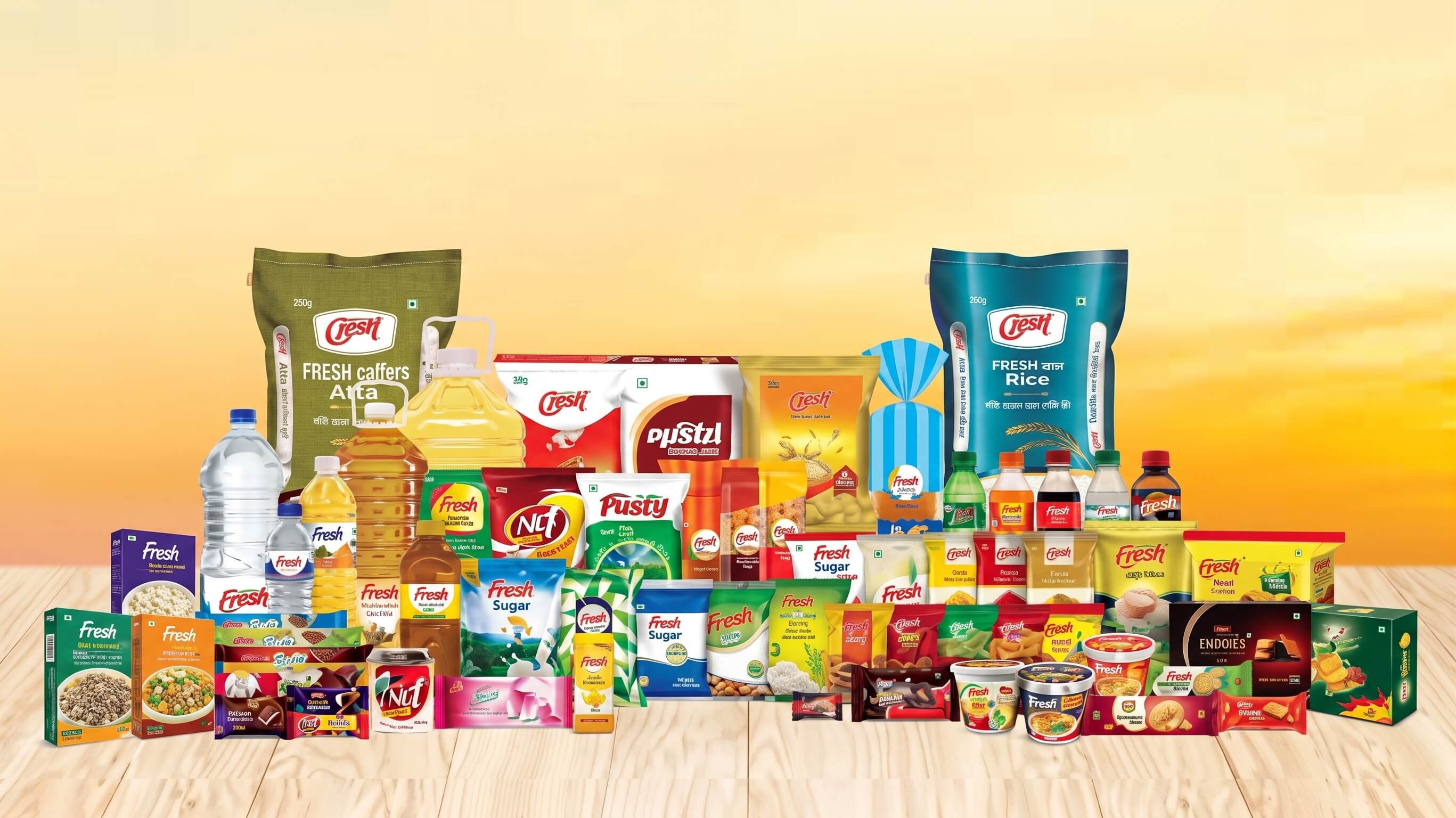
Packaged grocery products are another useful category for everyday retail stores. This can include biscuits, snacks, breakfast products, dry groceries and other convenient food items.
Customers may come into a store looking for one specific product but leave with several additional items. Well-placed packaged products can therefore become an important part of the overall shopping basket.
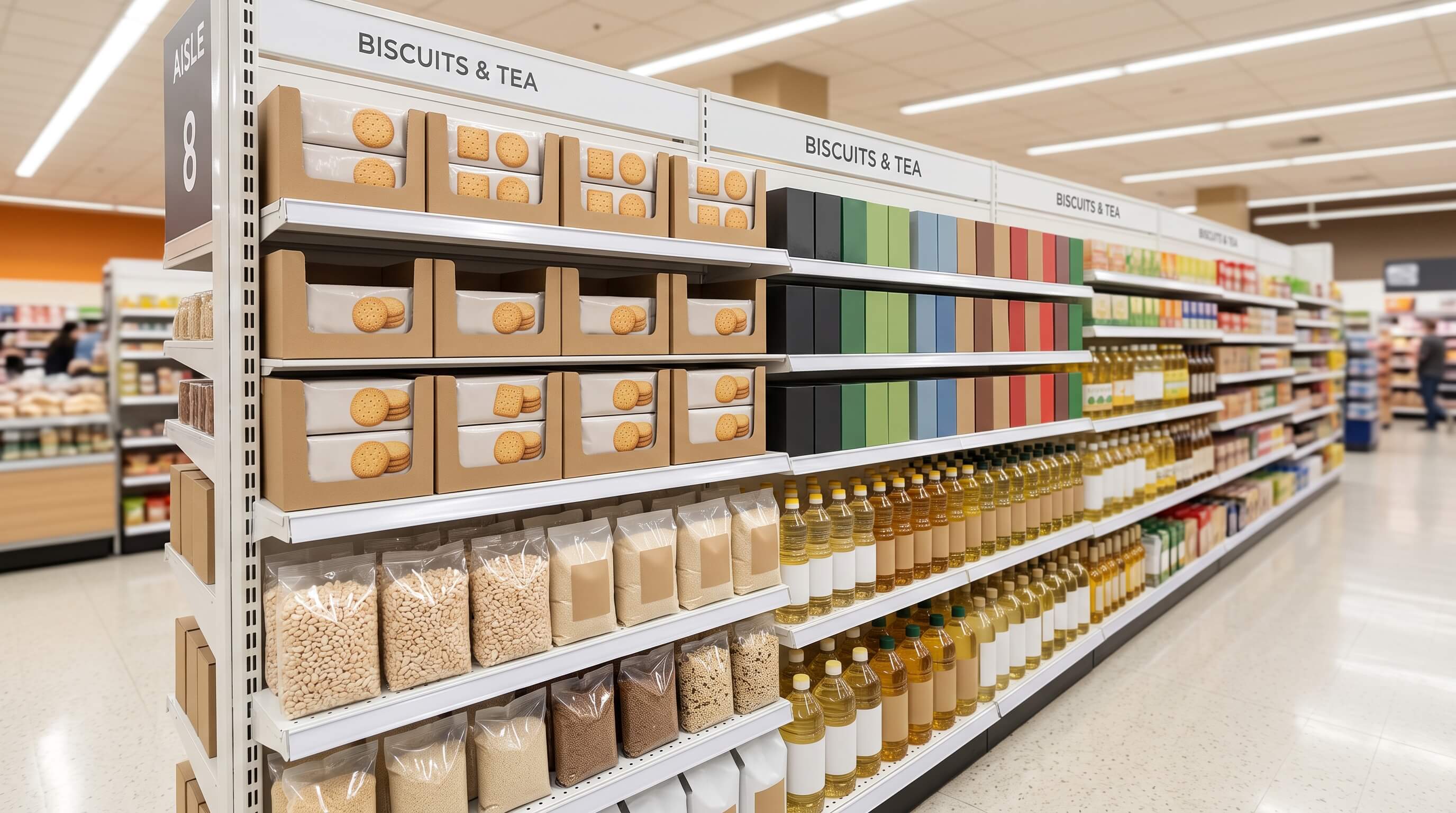
Think About Shelf Space
Don't judge a product only by how popular it looks. Look at how well it actually sells.
Keep track of:
- Units sold
- Reorder frequency
- Shelf space used
- Expiry dates
- Products that remain unsold for long periods
If a product sells quickly, make sure you can replenish it regularly. If another product rarely moves, consider reducing the quantity you keep.
How to Decide Which Products to Stock
Every store is different. A product that sells well in one neighbourhood may move much more slowly somewhere else.
Start by understanding your own customers.
Know Your Customers
Think about:
- Where your customers live
- What products they regularly buy
- Their preferred price range
- Which brands they ask for
- How often they shop at your store
Your sales history can give you a much clearer picture than simply following what other stores are stocking.
Track What Actually Sells
Regularly check which products are moving quickly and which ones are staying on the shelf.
You can monitor:
- Units sold
- Sales value
- Reorder frequency
- Slow-moving products
- Out-of-stock periods
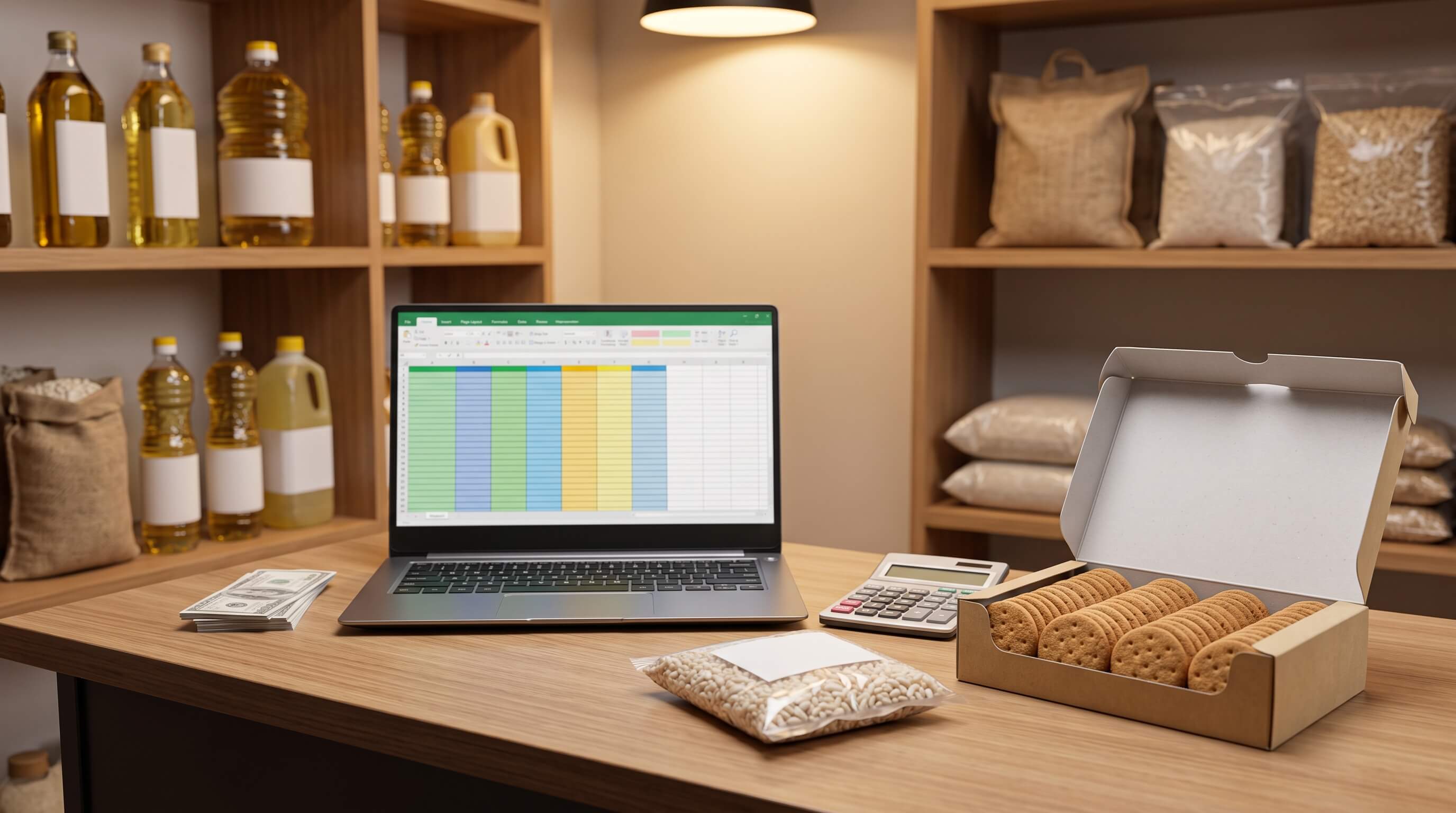
This information can help you make better purchasing decisions and avoid tying up money in products that don't sell.
Balance Price and Margin
A fast-moving product is not always your most profitable product.
Look at both sales volume and gross margin. A product that sells regularly but gives you very little margin may need a different strategy from a slower product with a healthier margin.
Don't Let Fast-Moving Products Go Out of Stock
Once you know which products sell quickly, make sure you can replenish them on time.
Running out of a popular product can mean losing a sale and sending the customer to another store.
Regular stock checks can help you avoid this. Keep an eye on your most important products and reorder before they reach zero.
Working with a reliable FMCG distributor in Muscat can also make replenishment easier, especially when you need regular deliveries.
Build a Product Mix That Fits Your Store
The goal isn't to fill every shelf with as many products as possible.
Instead, build a product range around what your customers actually buy.
Consider these five things:
- Demand — Do customers regularly ask for it?
- Price — Is it suitable for your target customers?
- Margin — Does it provide a reasonable return?
- Shelf life — Can you sell it before it expires?
- Replenishment — Can you get it again when stock runs low?
A balanced product mix can help you use your shelf space more effectively while keeping important products available.
Final Checklist for Muscat Retailers
Before adding a new product to your store, ask yourself:
- Do my customers regularly buy it?
- How quickly does it sell?
- What margin can I make?
- How much shelf space does it need?
- Does it have a reasonable shelf life?
- Can I replenish it easily?
- Do I have a reliable supplier?
These simple questions can help you make better stocking decisions without making your purchasing process complicated.
Stock What Sells, Not Just What Looks Good
There is no single product mix that works for every grocery store.
The best approach is to understand your customers, monitor your sales and adjust your stock based on what actually sells.
Rice, cooking oils, tea and coffee, spices and packaged grocery products can all be important categories for a Muscat retailer. But their performance will depend on your location, customers and pricing.
The key is simple: keep the products your customers need, monitor how quickly they move and make sure you can replenish them when necessary.