29 Aug 2026
We've Added Sajeeb and Puro to Our Lineup
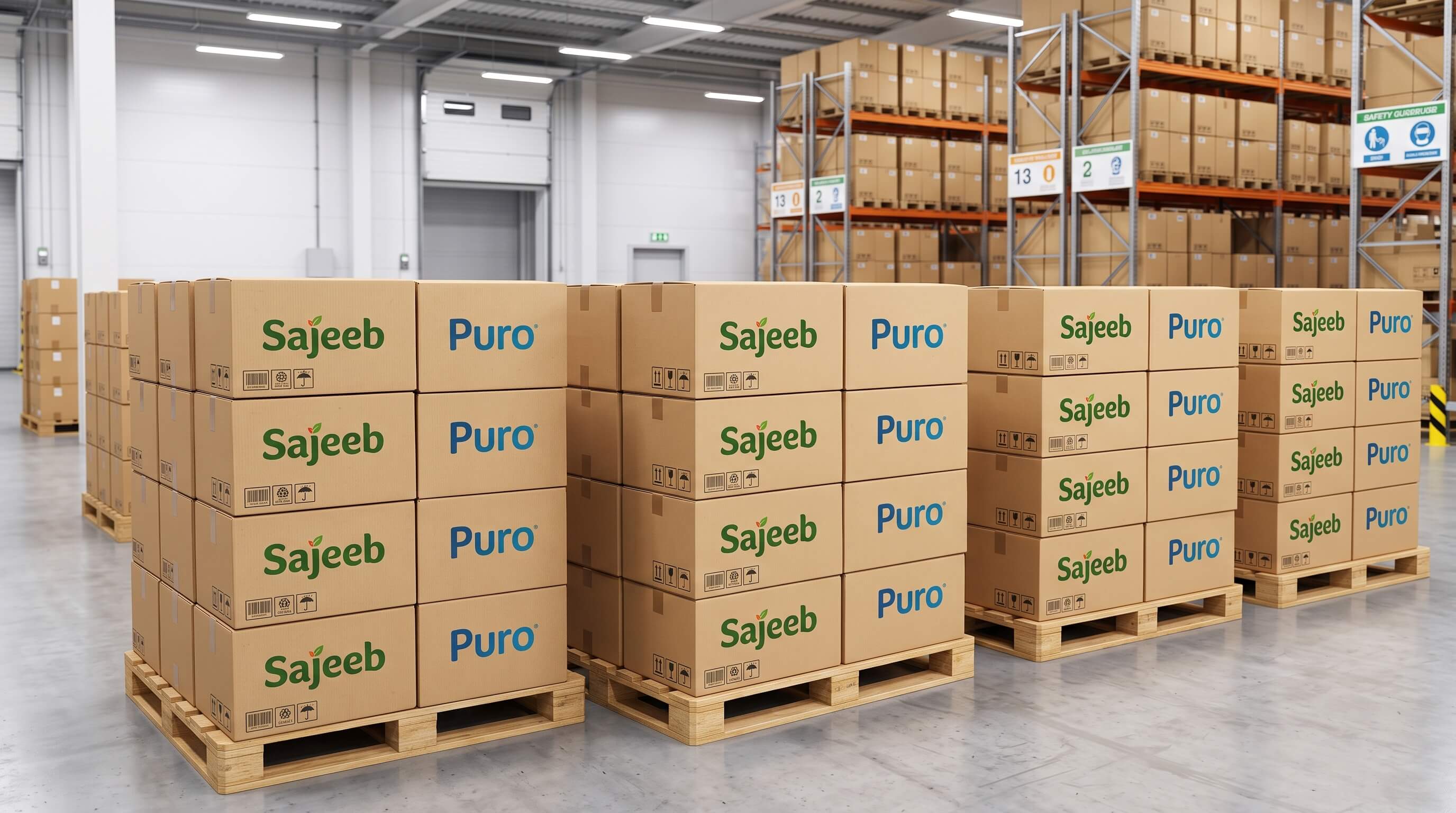
A few retailers we work with kept mentioning the same thing lately, customers asking for flavoured drinks and a couple of pantry basics we didn't actually carry. So we sorted it out. Sajeeb and Puro are now part of what we bring in.
Drinks
Sajeeb Drinkon Float (250ml). A good fridge or counter grab, the kind of thing people pick up on their way out.
Puro Litchi Fruit Drink (285ml) and Sajeeb Litchi Fruit Drink (150ml). Same flavour, two sizes. The bigger Puro bottle for regulars, the smaller Sajeeb one if your customers lean toward the cheaper option.
Pantry Basics
Sajeeb Sat Isabgol (40gm). One of those products people ask for by name and get annoyed when it's missing.
Sajeeb Basil Seed (50gm and 100gm). Small pack for trial buyers, bigger pack for regulars.
Sajeeb Bay Leaf and Sajeeb Whole Dry Chilli (50gm each). Everyday cooking basics that need restocking more often than you'd think.
Snacks
Sajeeb Sweet Toast (300gm). Pairs well with tea and biscuits if you've already got that section going.
If you're already ordering with us, just mention any of these to your contact and they'll go into your next delivery. New to working with us and want to test a couple first? No problem, just reach out and we'll set up a small trial order.
And if there's something your customers keep asking for that you can't easily find, tell us. That's exactly how this list came together in the first place.
25 Aug 2026
Introducing Fresh: What Makes It a Retailer Favorite
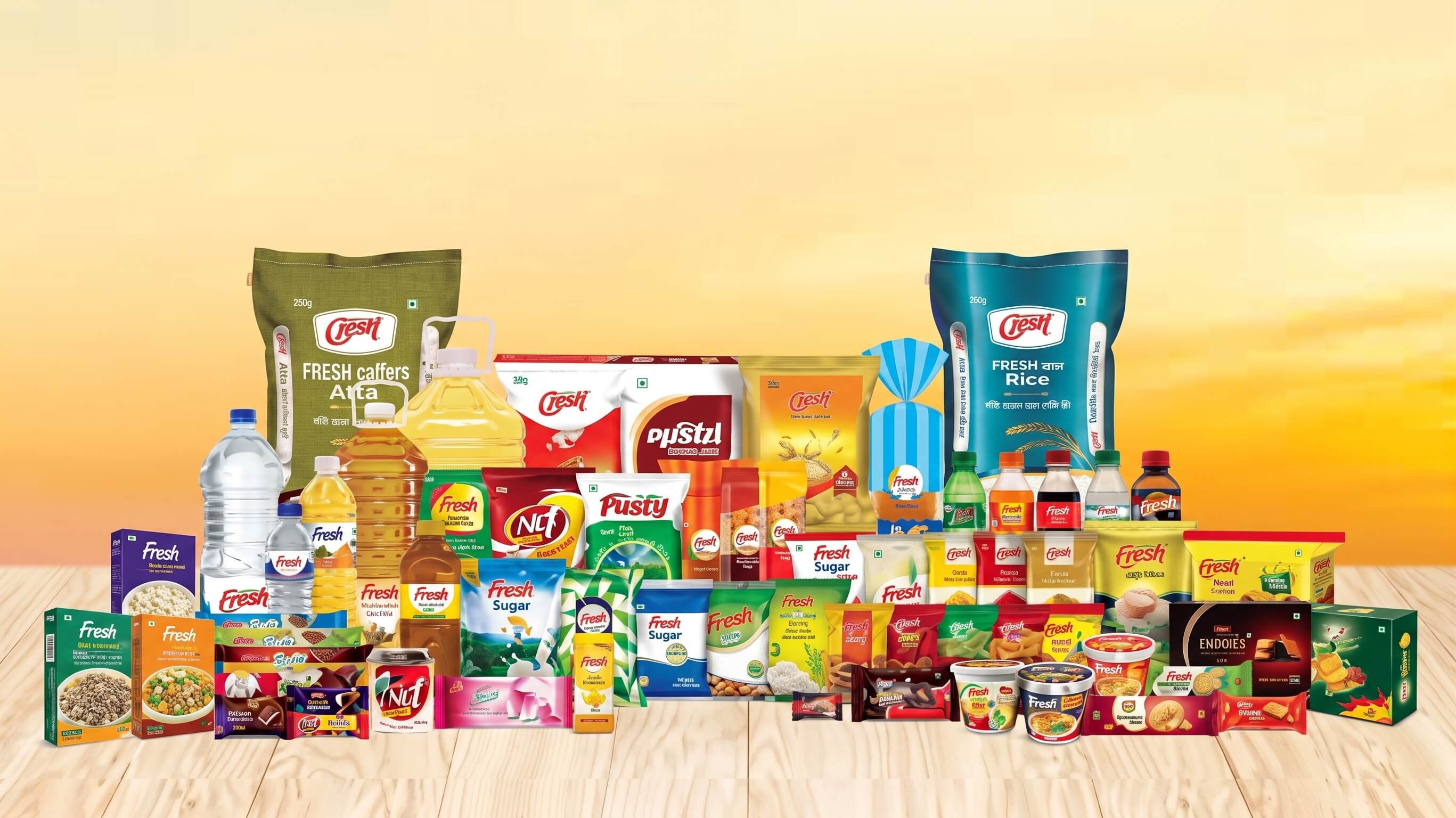
Every shelf has a handful of brands that just keep moving, week after week, no matter the season. For a lot of the retailers we work with, Fresh is one of them. If you're not already stocking it well, or you're deciding how much shelf space it deserves, here's a closer look at why it's earned its place.
A name customers already trust
Fresh has been around long enough that most households don't think twice when they see it on a shelf. That kind of recognition matters more than people give it credit for. A customer who already trusts a brand is far more likely to pick it up without needing convincing, which means less effort for you as a retailer and a quicker sale.
A wide enough range to cover multiple categories
One of the reasons Fresh works well for a lot of shops is that it isn't limited to one type of product. From rice and oil to biscuits and packaged foods, it covers several categories under one recognizable name. That makes it easier to build a consistent presence across different shelves rather than treating it as a single item you stock and forget about.
Reliable quality, which means fewer complaints
Retailers deal with enough day to day without also fielding complaints about product quality. Brands that consistently deliver what customers expect, batch after batch, save you that headache. It's a quieter kind of value, but it adds up over time in the form of repeat customers who don't second guess their next purchase.
Steady demand, not just seasonal spikes
Some products only move during specific times of year. What makes a brand like Fresh a genuinely good shelf investment is that demand stays fairly consistent across the year, with the expected bump during Ramadan and other high-demand periods. That steadiness makes it easier to plan your ordering without guessing.
Where it tends to sell best
Placing Fresh products at eye level or near other everyday essentials tends to work well, since customers are often looking for it specifically rather than discovering it by chance. Grouping it with complementary items, tea alongside biscuits, for example, can also encourage a slightly bigger basket without any extra effort on your part.
If you're already stocking Fresh but not sure which specific products are moving fastest in shops similar to yours, it's worth asking your account contact. We see patterns across different areas and shop sizes, and we're happy to help you figure out where a bit more shelf space might pay off.
Looking to add Fresh products to your next order, or want to know what's currently trending? Get in touch with our team.
25 Aug 2026
Managing Cash Flow When You're a Small Retailer
Ask most small shop owners what their biggest worry is, and it's rarely "will people buy this product." It's usually something closer to "will I have enough cash on hand when rent, staff, or the next delivery payment comes due." A shop can look busy and still run into trouble if the money isn't managed carefully.
Here's how to keep a better handle on it.
Separate what's sold from what's actually collected
A sale on paper isn't the same as money in your hand. If you're extending credit to regular customers, which is common in a lot of neighborhoods, keep clear track of who owes what and when it's due. It's easy to feel like business is going well because the shelves are moving, while actual cash is sitting with customers who haven't paid yet.
Don't tie up too much cash in slow-moving stock
Every rial spent on inventory that isn't selling is a rial you can't use for rent, wages, or a better-performing product. Take an honest look every month at what's actually turning over and what's just sitting there. It's often better to sell slow stock at a smaller margin than to let it sit and quietly drain your cash.
Time your orders around your cash position, not just your shelf gaps
It's tempting to reorder the moment a shelf looks a little empty, but it helps to also think about when money is actually coming in. If you know a slower sales week is coming, or a big expense like rent is due, it might make sense to order a bit smaller that cycle rather than stretching yourself thin.
Keep a simple buffer for unexpected costs
Equipment breaks, deliveries get delayed, sometimes sales dip for reasons outside your control. Even a small cash buffer set aside, separate from what you use for daily operations, makes these moments a lot less stressful when they happen. It doesn't need to be large, just enough to cover a rough week or two.
Negotiate payment terms where you can
If a supplier is willing to offer 15 or 30 day payment terms instead of requiring payment on delivery, that gap can make a real difference to how much breathing room you have month to month. It's worth asking directly rather than assuming it's not on the table.
Track expenses as closely as sales
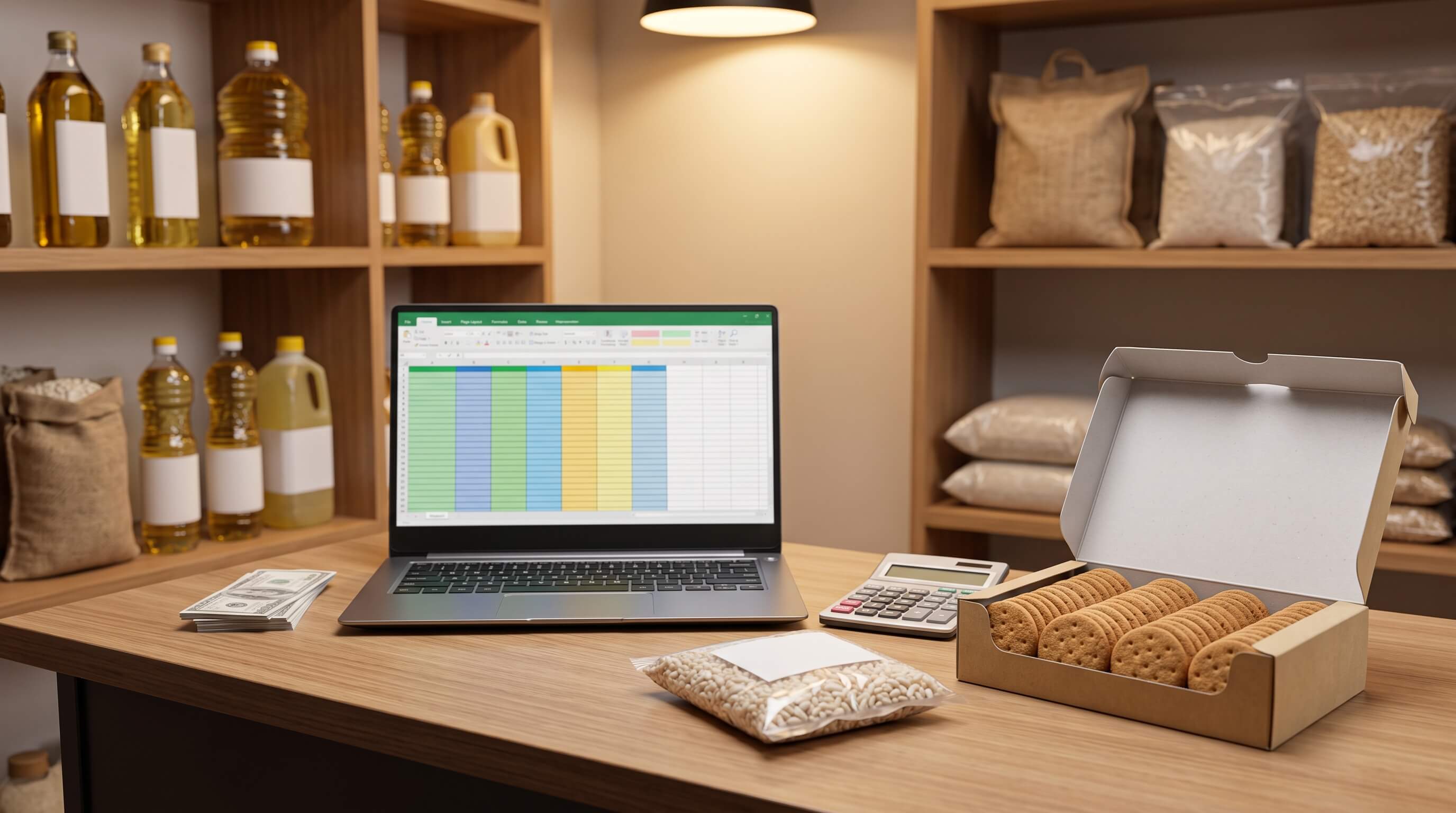
A lot of small retailers watch sales numbers closely but are less precise about tracking day-to-day expenses, small purchases, utility costs, minor repairs. These add up quietly. Even a simple notebook or basic spreadsheet where every expense gets logged can reveal where money is actually going each month.
Review your numbers on a regular schedule
Cash flow problems are usually easier to fix early and harder to fix once they've built up. Setting aside even twenty minutes every week or two to look at what's coming in, what's going out, and what's tied up in stock, makes it much easier to catch a problem while it's still small.
None of this requires accounting software or formal training. Most of it comes down to paying closer attention to numbers that are already in front of you, credit given, stock sitting, expenses logged, and adjusting a little at a time rather than waiting until something feels urgent.

25 Aug 2026
How to Negotiate Better Terms with Your FMCG Supplier
A lot of retailers assume the price and terms a supplier first offers are fixed, take it or leave it. In reality, most of it is a starting point, not a final answer. Suppliers deal with this every day, and a fair, well-prepared conversation usually goes a lot further than people expect.
Here's how to actually approach it.
Know your own numbers first
Before asking for anything, understand what you're actually working with. How much do you order each month? How consistent has that been? How long have you been buying from this supplier? Walking into a conversation with real numbers, instead of a vague "can you do better on price," makes it much easier for a supplier to say yes to something.
Ask about volume-based pricing
If you've been ordering steadily, or you're planning to increase your order size, this is worth raising directly. Many suppliers have better pricing available at higher volumes, but they don't always offer it upfront. It's a completely normal question to ask, not something that comes across as pushy.
Payment terms matter as much as price
A lower price isn't the only thing worth negotiating. Extended payment terms, say 15 or 30 days instead of paying on delivery, can matter more for your cash flow than a small discount. If cash flow is tight for your shop, this is often the better thing to push for.
Bring up loyalty, not just numbers
If you've been a reliable, on-time paying customer for a while, that's worth mentioning. Suppliers value retailers who pay on time and order consistently just as much as they value big order sizes. A track record is leverage too, even if it doesn't show up on a spreadsheet.
Ask about delivery flexibility
Sometimes what actually helps your shop isn't a lower price at all, it's more frequent, smaller deliveries so you're not tying up cash and shelf space in one large order. Suppliers with efficient routes can often accommodate this more easily than people assume. It doesn't hurt to ask.
Don't make it only about price
Suppliers notice when every conversation is just about squeezing the number down. Asking instead about what's selling well elsewhere, what new products are coming, or how to move slower stock tends to build a relationship where better terms come up naturally over time, rather than needing to be fought for every single order.
Be upfront if something isn't working
If deliveries have been inconsistent, or a product isn't performing the way you hoped, say so directly instead of just quietly reducing your order. A good supplier would rather know and fix it than lose a retailer without understanding why.
At the end of the day, negotiation isn't about one tough conversation, it's about building a relationship where both sides are being straightforward with each other. Retailers who communicate clearly and order consistently are usually the ones who end up with the best terms over time, not the ones who push hardest in a single meeting.
24 Aug 2026
Shelf Placement Tips That Actually Increase Sales
Two shops can sell the exact same products at the exact same prices and still end up with very different sales numbers. A lot of that difference comes down to something retailers don't always think about: where things sit on the shelf.
You don't need to redesign your whole shop to see a difference. A few small changes in placement can shift what customers pick up without you spending anything extra.
Eye level sells the most
Customers naturally look straight ahead first. Shelves at eye level get noticed before anything above or below them. This is prime real estate, so it's worth putting your best-margin products or the ones you most want to move here, rather than whatever happened to get unloaded first.
Bottom shelves aren't useless though. They work well for bulkier items like large rice bags or bottled water, things people already intend to buy and will look for regardless of where they sit.
Put everyday essentials toward the back
This might sound backwards, but it works. If someone comes in just for milk or bread, walking them past other shelves to reach it means they pass, and often notice, other products along the way. It's a small nudge that can lead to a few extra items in the basket without any extra effort from you.
Keep the counter area for impulse buys
The space right by the till is where people make quick, unplanned decisions while waiting to pay. Small snacks, chocolates, chewing gum, or anything low cost and easy to grab does well here. These items usually wouldn't have made it into the basket earlier in the shop, so this spot earns its keep.
Group related products together
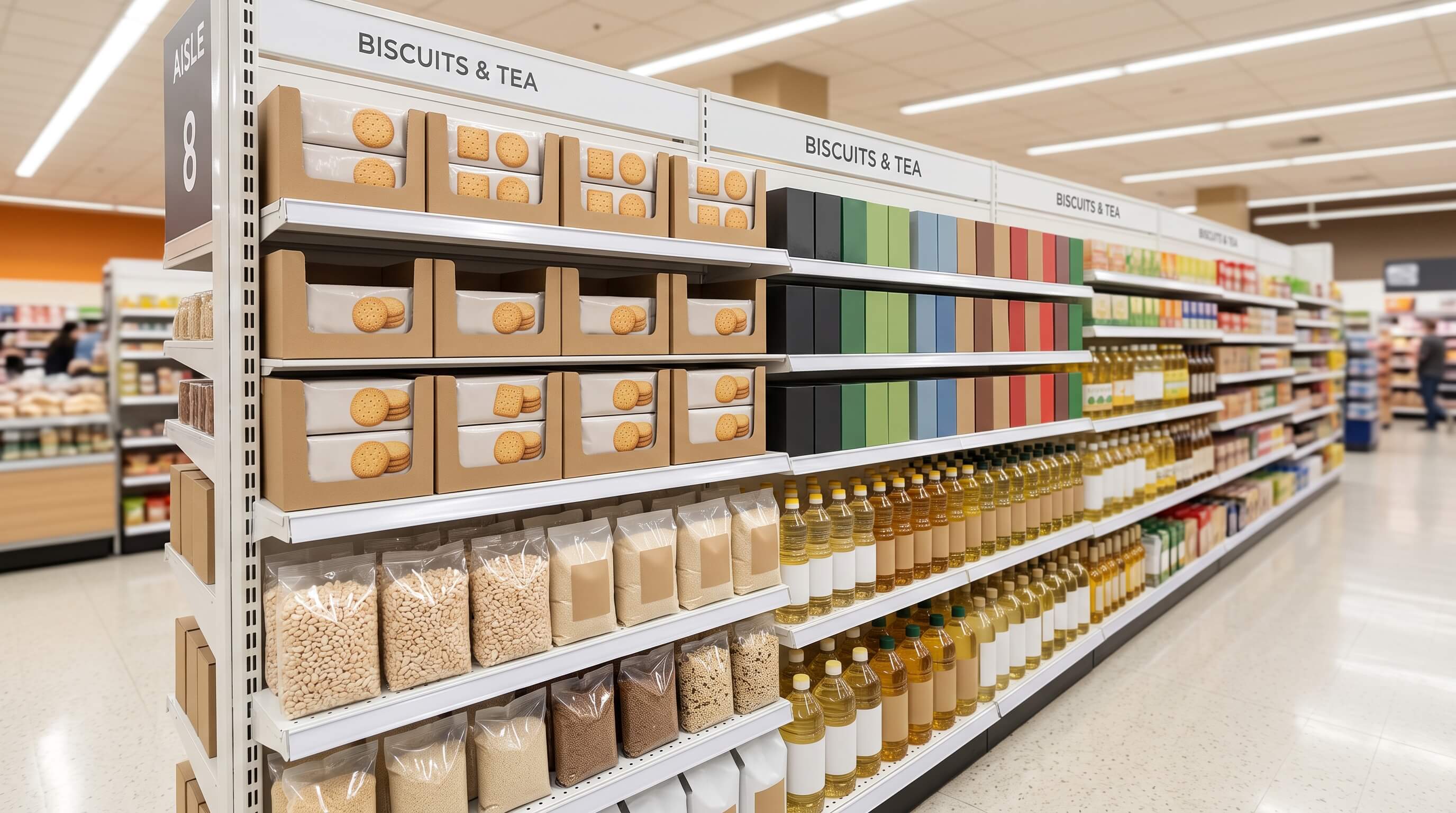
Someone buying tea is often a good candidate to also buy biscuits, or sugar, or a snack to go with it. Placing related categories near each other, rather than spreading them across different corners of the shop, makes it easier for a customer to remember something they need and pick it up while they're already there.
Don't let popular items get lost in clutter
It's tempting to fill every inch of shelf space, but a shelf that's too crowded makes it harder for a customer to spot what they came in for, let alone anything new. Give your best sellers a bit of breathing room. A product that's easy to see and easy to reach will always outsell one buried behind ten others.
Refresh the layout every so often
Customers get used to a layout quickly, which is good for convenience but can mean they stop noticing certain products altogether. Moving a few sections around every couple of months, especially newer or higher-margin items, can bring attention back to things that had started blending into the background.
None of this requires new shelving or a big investment. It's mostly about paying attention to how customers actually move through your shop and adjusting from there. Small shifts, tried over a few weeks, usually tell you pretty quickly what's working.
24 Aug 2026
Top 5 Mistakes New Grocery Retailers Make (and How to Avoid Them)
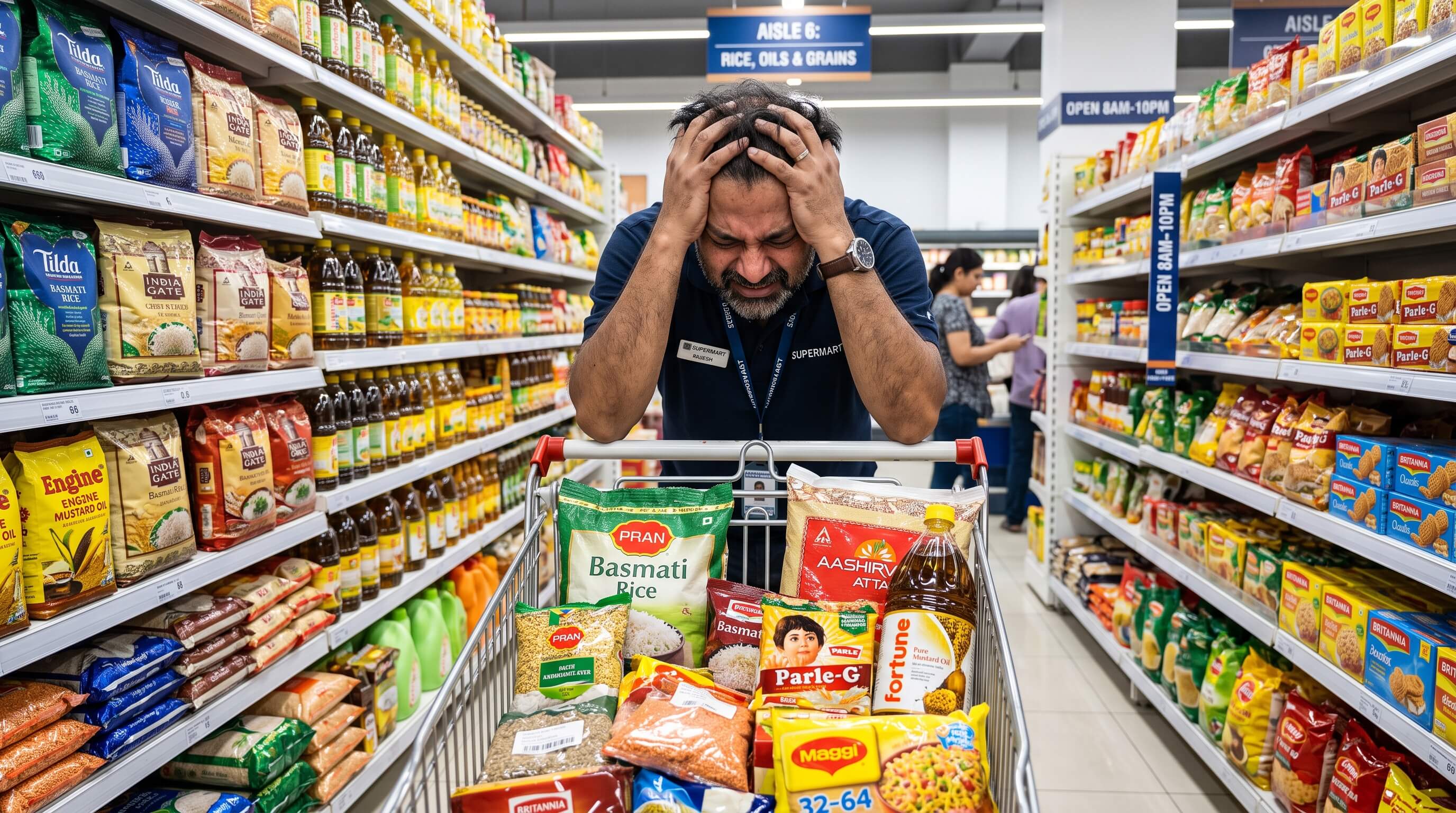
Opening a grocery shop looks simple from the outside. Stock some shelves, open the doors, wait for customers. Anyone who's actually done it knows there's a lot more to it, and most new retailers learn the hard lessons the same way, by making the same mistakes everyone before them made.
Here are the ones we see most often, and what to do instead.
1. Ordering based on what you like, not what sells
It's easy to stock up on products you personally think are good, or ones a salesperson pushed hard. But your shelves aren't about your taste, they're about your customers'. Pay attention to what actually moves, even if it's not the brand you expected to be popular. Give new products a small trial run before committing to bigger orders.
2. Not tracking expiry dates closely enough
This one's costly and avoidable. Products bought in bulk without a proper rotation system often end up sitting near their expiry date while newer stock gets sold first. Get into the habit of putting older stock at the front and new stock at the back every single time you restock. It sounds obvious, but it's the mistake that quietly eats into profit the most.
3. Underestimating how much cash gets tied up in inventory
A shelf full of stock feels good, but unsold inventory is money you can't use for anything else, rent, staff, new products. New retailers often over-order in the excitement of stocking up, then run into cash flow trouble a month or two later. It's usually better to order smaller amounts more often than to buy in bulk before you know what actually sells in your location.
4. Ignoring shelf placement
Where a product sits matters more than most new shop owners expect. Eye-level shelves sell more than bottom shelves. Items near the counter get picked up on impulse. Placing your best-margin or fastest-moving products in these prime spots, rather than wherever there happened to be space, can noticeably change your daily sales without spending a single extra rial on marketing.
5. Sticking with one supplier for everything
Relying on a single supplier can feel simpler, but it leaves you exposed if they run out of stock, raise prices, or slow down on deliveries. It's worth building a relationship with a supplier you trust for your core products, while still knowing a backup option exists for anything critical to your shop.
Most of these mistakes aren't about being bad at business, they're just things nobody tells you until you've already lived through them once. If you're setting up a new shop or still finding your footing, it's worth talking to your supplier about what they're seeing work for other retailers nearby. A good supplier isn't just delivering boxes, they should be someone you can ask these questions to.
24 Aug 2026
How to Calculate the Right Order Quantity for Your Shop
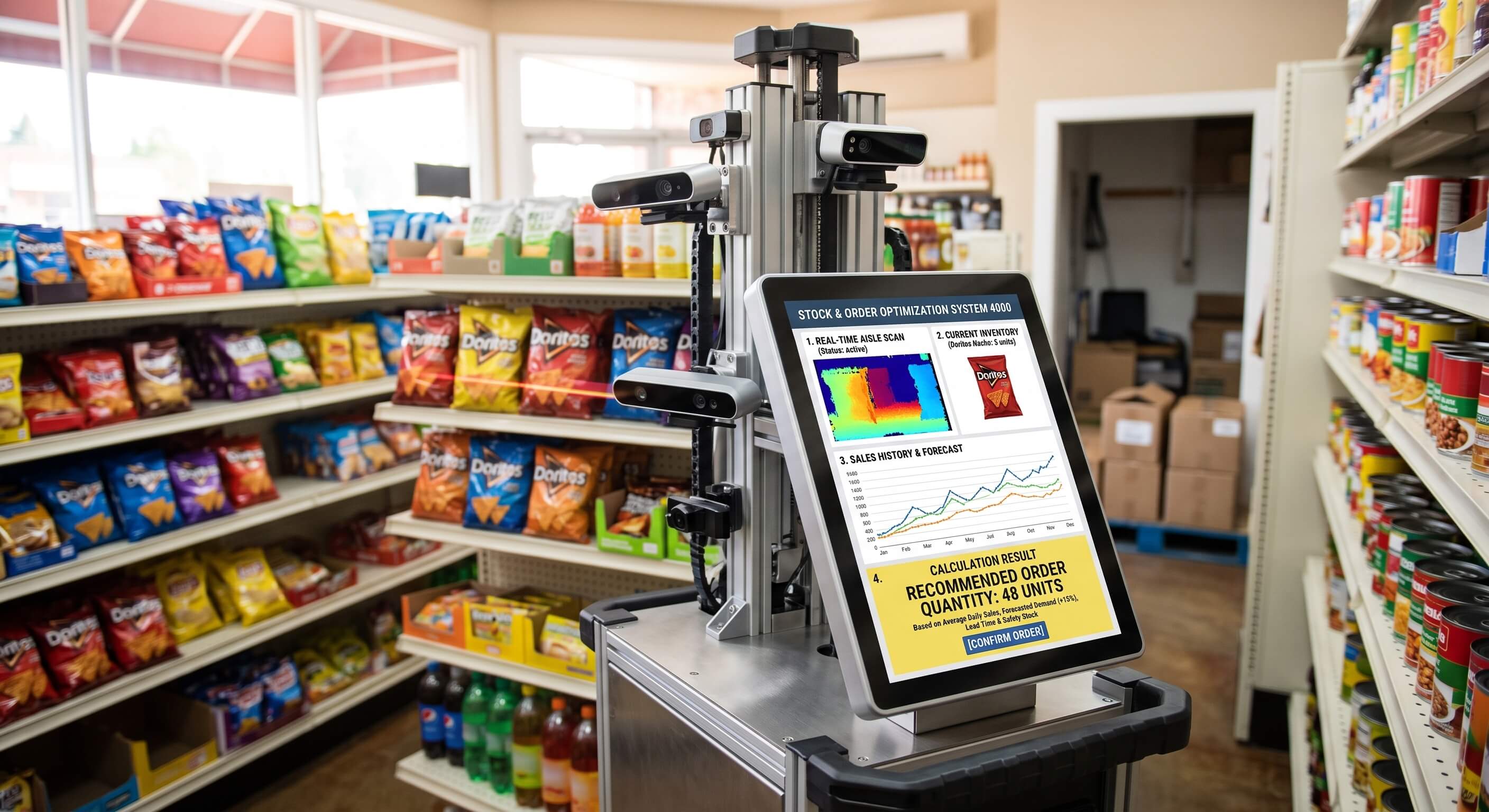
Ask any retailer what keeps them up at night and "how much should I order" comes up a lot. Order too much and your money sits on a shelf instead of in your pocket. Order too little and a customer walks out empty-handed, maybe to a shop down the road. It sounds like a small thing, but getting this right can make or break how well a shop actually runs.
So how do you actually figure out the right number?
Look at what's already selling
Forget guessing. If you sell 20 packets of a certain biscuit every week, that's your baseline. Not what the supplier suggests, not what feels right, just your own numbers. If you're new to a product and don't have history yet, order a smaller amount first, see how it moves over a couple of weeks, then adjust from there.
Match your order to your delivery schedule
Think about how many days pass between deliveries. If you're restocked every 7 days, you need enough on hand to comfortably last that week, plus a little extra in case a delivery runs a day late.
A rough way to work it out: take your weekly sales, divide by 7, then multiply by the number of days until your next delivery. Add a small buffer on top. If you sell 20 packets a week and reorder weekly, you're probably looking at ordering somewhere around 23 to 25 packets once you add that cushion.
Keep the safety buffer small
A buffer is there to protect you if sales pick up unexpectedly or a delivery gets delayed. Somewhere around 10 to 15% extra is usually enough. Any more than that and you're just tying up cash that could be used elsewhere in the shop.
Don't ignore the calendar
Some products sell the same amount all year round. Others move a lot faster at certain times, cooking oil and rice before Ramadan, cold drinks in the middle of summer, snacks around school holidays. If you know a spike is coming, start increasing your order a few weeks ahead rather than waiting until shelves are already empty.
Treat fast movers and slow movers differently
Your best-selling items like tea, oil, and biscuits deserve tighter, more frequent ordering since they turn over quickly. Slower items are better ordered in smaller batches, even if it costs a little more per unit. That's still cheaper than stock sitting untouched for months.
Check in regularly
This isn't something you figure out once and forget. Every few weeks, take a look at what's moving faster than expected and what's gathering dust. Small adjustments made often will help your shop's cash flow far more than trying to get one perfect formula.
At the end of the day, the right order quantity comes down to knowing your own shop, not following a generic rule. If you're working with us, talk to your contact about what you're seeing on your shelves. We work with enough shops to spot patterns, and we're glad to help you fine-tune your ordering as you go.

23 Aug 2026
How We Keep Products Fresh from Warehouse to Shelf
When a shopper picks up a pack of biscuits or a bottle of cooking oil, they expect it to be exactly as fresh as the day it was made. That trust is built long before the product reaches the shelf — it starts the moment it arrives at our warehouse.
At Fajr Crescent Trading, freshness isn't an accident. It's a process. Here's how we make sure every product that leaves our warehouse reaches your shelf in the same condition it left the manufacturer.
1. Careful Receiving, Every Time
Every shipment that arrives at our warehouse is checked before it's stored — packaging condition, expiry dates, and quantity are all verified against the order. Anything that doesn't meet our standard doesn't make it onto the shelf, let alone yours.
2. Proper Storage Conditions
Different products need different care. Dry goods like rice, grains, and biscuits are stored in a clean, temperature-controlled space away from direct sunlight and moisture. Oils and liquids are stored upright and away from heat sources that could affect quality over time. This isn't just good practice — it's how we protect the shelf life you're paying for.
3. First In, First Out (FIFO)
We rotate stock so older inventory always moves out before newer stock. This simple discipline prevents products from sitting too long in storage and ensures retailers always receive stock with a healthy remaining shelf life — not something close to its expiry date.
4. Careful Handling During Loading
Products are handled with care during loading and transport to avoid damage — crushed boxes, dented cans, or torn packaging aren't just cosmetic issues, they affect how long a product stays fresh and how confident a customer feels buying it.
5. Fast, Reliable Delivery
The longer a product sits in transit, the more room there is for something to go wrong. We plan our delivery routes across Muscat to minimize time between our warehouse and your shelf, so products reach you quickly and predictably.
6. Checks Before Delivery
Before any order leaves our facility, it's checked one more time — right quantity, right condition, right products. What we deliver is exactly what you ordered, in the condition you expect.
Why this matters to you as a retailer: Fresh, well-handled stock means fewer returns, fewer customer complaints, and better shelf turnover. When you partner with us, you're not just getting products — you're getting a system built to protect the quality of every item until it reaches your customer.
Have questions about how we handle a specific product category? Reach out to our team — we're happy to walk you through it.
22 Aug 2026
5 Fast-Moving Grocery Categories Every Muscat Retailer Should Stock
Running a grocery store means making many decisions about what to keep on your shelves. You have limited space, but your customers expect to find the products they need.
The right product mix can help you maintain regular sales and keep customers coming back. But you don't need to stock everything. The goal is to understand what your customers buy regularly and keep those products available.
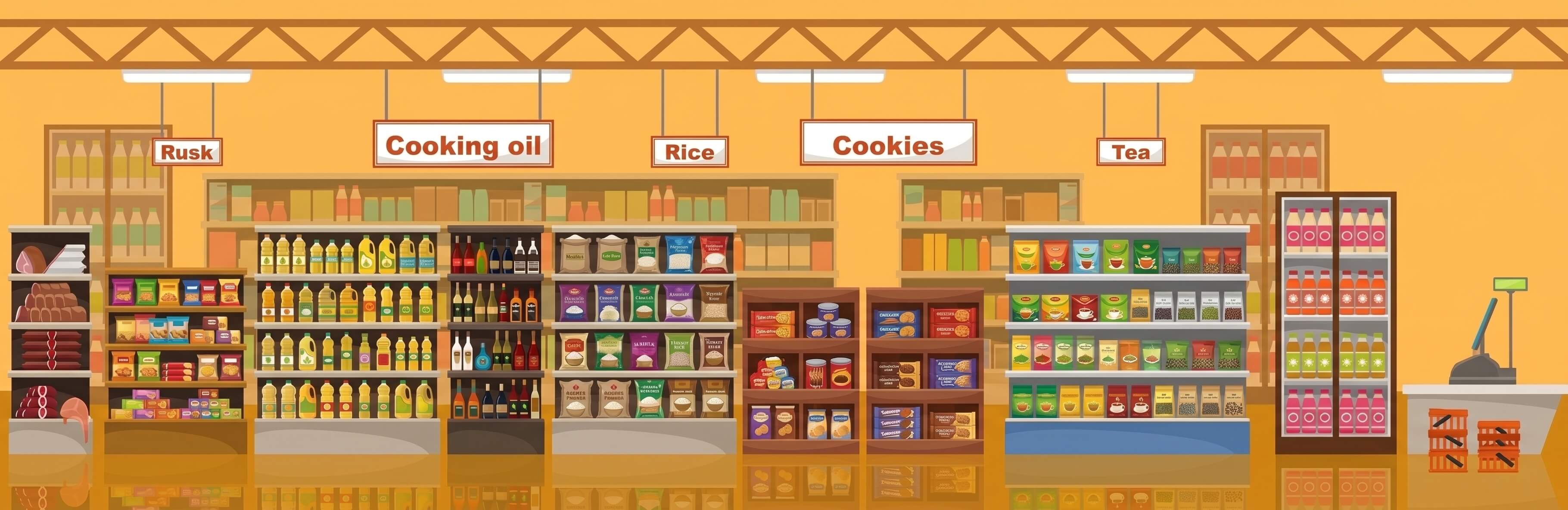
Here are five grocery categories that every Muscat retailer should consider when building their product range.
1. Rice and Other Staple Grains
Rice is an important part of many households' regular grocery shopping. Customers often buy it in different quantities depending on their household size and needs.
For retailers, this makes rice a useful category to keep consistently in stock.
Why Rice Is a Core Grocery Product
Customers usually have clear preferences when it comes to rice. They may look for a particular brand, type or pack size, so offering a small but practical selection can be more useful than filling your shelves with too many options.
Consider keeping:
Popular brands
Different pack sizes
Different price points
Products that match your local customers' preferences
Stock availability also matters. If customers regularly find their preferred rice at your store, they are more likely to include your shop in their regular shopping routine.
2. Cooking Oils and Essential Kitchen Ingredients
Cooking oil is another everyday grocery product that many households purchase regularly. Because it is used frequently, customers often return to buy it when their supply runs low.
For a retailer, this makes cooking oil a category worth monitoring closely.
Why Cooking Oil Moves Quickly
Customers can have different preferences based on price, brand and the type of oil they use. Offering a practical range can help you serve different customers without using too much shelf space.
Consider:
Popular oil types
Different bottle sizes
Affordable options
Well-known brands
Products with regular demand
You should also keep an eye on which sizes sell faster in your store. A large bottle may work well for one customer group, while smaller sizes may be more suitable for others.
3. Tea, Coffee and Everyday Beverages
Tea and coffee are regular purchases for many households. Customers often develop strong preferences for particular brands and products, which can lead to repeat purchases.
Why These Products Generate Repeat Purchases
When customers find the tea or coffee they prefer, they may continue buying the same product each time they shop.
For a small or medium-sized store, you don't need to stock every available brand. Instead, focus on products that suit your customers and offer a useful range of:
Recognized brands
Different pack sizes
Different price points
The key is to understand what your customers actually buy and give more shelf space to products that consistently move.
4. Spices, Seasonings and Cooking Essentials
Spices and seasonings may be smaller products, but they can bring customers back to your store regularly. Many households use these products as part of their everyday cooking.
For retailers, the key is to offer the products people actually use rather than trying to stock every possible variety.
Keep the Right Variety
Consider stocking:
Common spices
Seasoning products
Different pack sizes
Products suited to local customer preferences
These products also take up relatively little shelf space, so a carefully selected range can give customers more choice without taking over your shelves.
5. Packaged Grocery and Convenience Products
Packaged grocery products are another useful category for everyday retail stores. This can include biscuits, snacks, breakfast products, dry groceries and other convenient food items.
Customers may come into a store looking for one specific product but leave with several additional items. Well-placed packaged products can therefore become an important part of the overall shopping basket.
Think About Shelf Space
Don't judge a product only by how popular it looks. Look at how well it actually sells.
Keep track of:
Units sold
Reorder frequency
Shelf space used
Expiry dates
Products that remain unsold for long periods
If a product sells quickly, make sure you can replenish it regularly. If another product rarely moves, consider reducing the quantity you keep.
How to Decide Which Products to Stock
Every store is different. A product that sells well in one neighbourhood may move much more slowly somewhere else.
Start by understanding your own customers.
Know Your Customers
Think about:
Where your customers live
What products they regularly buy
Their preferred price range
Which brands they ask for
How often they shop at your store
Your sales history can give you a much clearer picture than simply following what other stores are stocking.
Track What Actually Sells
Regularly check which products are moving quickly and which ones are staying on the shelf.
You can monitor:
Units sold
Sales value
Reorder frequency
Slow-moving products
Out-of-stock periods
This information can help you make better purchasing decisions and avoid tying up money in products that don't sell.
Balance Price and Margin
A fast-moving product is not always your most profitable product.
Look at both sales volume and gross margin. A product that sells regularly but gives you very little margin may need a different strategy from a slower product with a healthier margin.
Don't Let Fast-Moving Products Go Out of Stock
Once you know which products sell quickly, make sure you can replenish them on time.
Running out of a popular product can mean losing a sale and sending the customer to another store.
Regular stock checks can help you avoid this. Keep an eye on your most important products and reorder before they reach zero.
Working with a reliable FMCG distributor in Muscat can also make replenishment easier, especially when you need regular deliveries.
Build a Product Mix That Fits Your Store
The goal isn't to fill every shelf with as many products as possible.
Instead, build a product range around what your customers actually buy.
Consider these five things:
Demand — Do customers regularly ask for it?
Price — Is it suitable for your target customers?
Margin — Does it provide a reasonable return?
Shelf life — Can you sell it before it expires?
Replenishment — Can you get it again when stock runs low?
A balanced product mix can help you use your shelf space more effectively while keeping important products available.
Final Checklist for Muscat Retailers
Before adding a new product to your store, ask yourself:
Do my customers regularly buy it?
How quickly does it sell?
What margin can I make?
How much shelf space does it need?
Does it have a reasonable shelf life?
Can I replenish it easily?
Do I have a reliable supplier?
These simple questions can help you make better stocking decisions without making your purchasing process complicated.
Stock What Sells, Not Just What Looks Good
There is no single product mix that works for every grocery store.
The best approach is to understand your customers, monitor your sales and adjust your stock based on what actually sells.
Rice, cooking oils, tea and coffee, spices and packaged grocery products can all be important categories for a Muscat retailer. But their performance will depend on your location, customers and pricing.
The key is simple: keep the products your customers need, monitor how quickly they move and make sure you can replenish them when necessary.