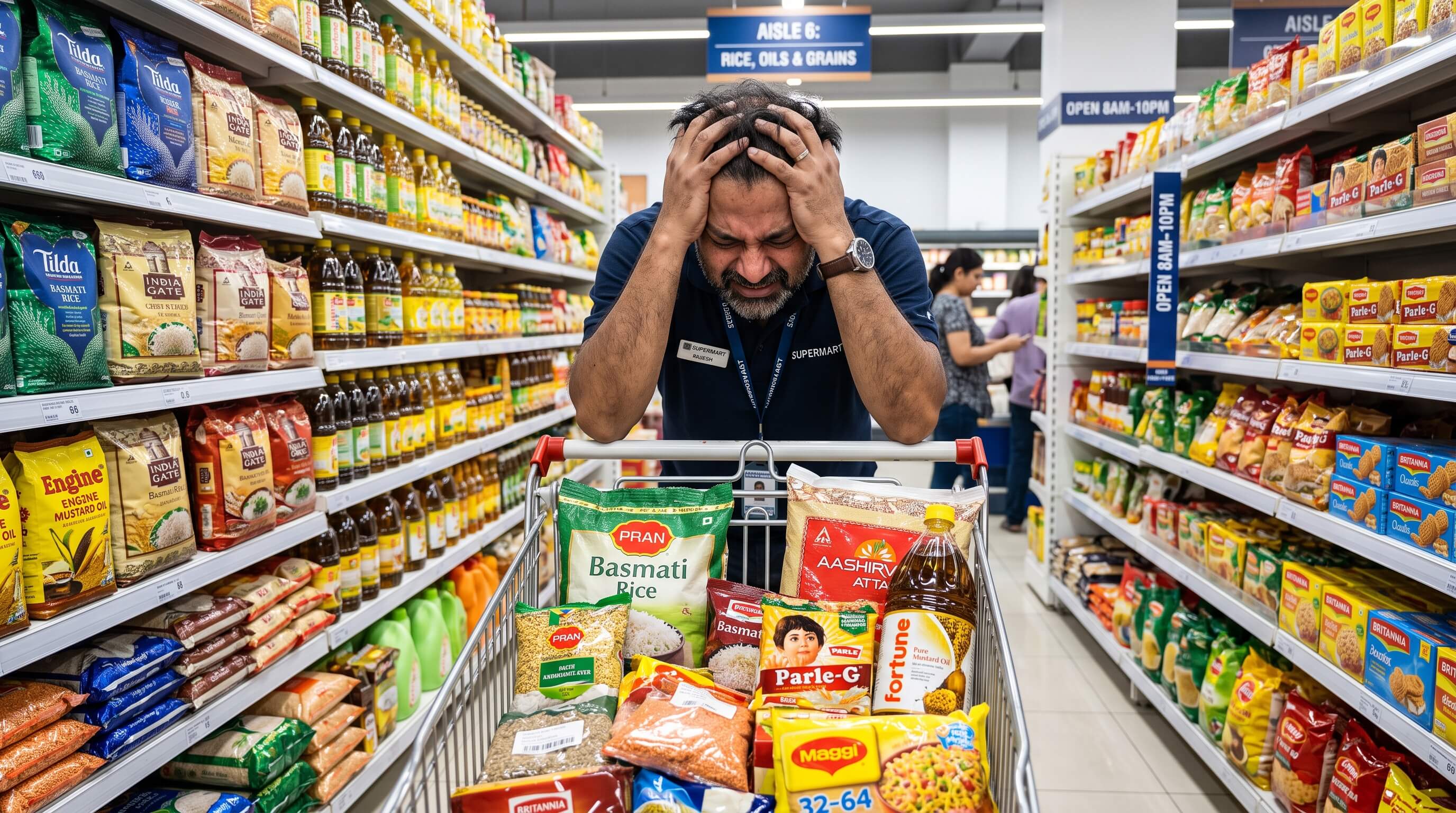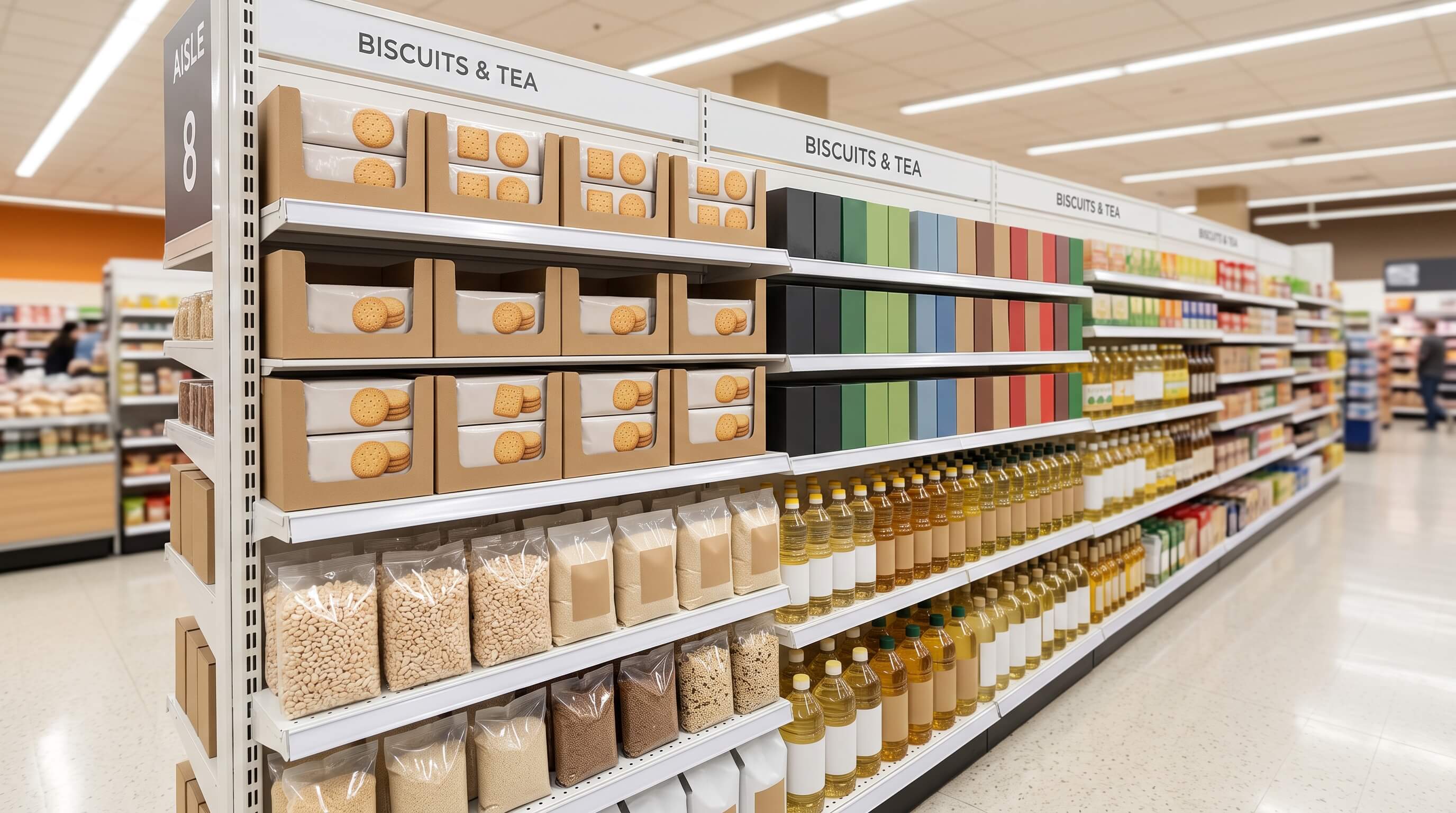
Two shops can sell the exact same products at the exact same prices and still end up with very different sales numbers. A lot of that difference comes down to something retailers don't always think about: where things sit on the shelf.
You don't need to redesign your whole shop to see a difference. A few small changes in placement can shift what customers pick up without you spending anything extra.
Eye level sells the most
Customers naturally look straight ahead first. Shelves at eye level get noticed before anything above or below them. This is prime real estate, so it's worth putting your best-margin products or the ones you most want to move here, rather than whatever happened to get unloaded first.
Bottom shelves aren't useless though. They work well for bulkier items like large rice bags or bottled water, things people already intend to buy and will look for regardless of where they sit.
Put everyday essentials toward the back
This might sound backwards, but it works. If someone comes in just for milk or bread, walking them past other shelves to reach it means they pass, and often notice, other products along the way. It's a small nudge that can lead to a few extra items in the basket without any extra effort from you.
Keep the counter area for impulse buys
The space right by the till is where people make quick, unplanned decisions while waiting to pay. Small snacks, chocolates, chewing gum, or anything low cost and easy to grab does well here. These items usually wouldn't have made it into the basket earlier in the shop, so this spot earns its keep.
Group related products together
Someone buying tea is often a good candidate to also buy biscuits, or sugar, or a snack to go with it. Placing related categories near each other, rather than spreading them across different corners of the shop, makes it easier for a customer to remember something they need and pick it up while they're already there.
Don't let popular items get lost in clutter
It's tempting to fill every inch of shelf space, but a shelf that's too crowded makes it harder for a customer to spot what they came in for, let alone anything new. Give your best sellers a bit of breathing room. A product that's easy to see and easy to reach will always outsell one buried behind ten others.
Refresh the layout every so often
Customers get used to a layout quickly, which is good for convenience but can mean they stop noticing certain products altogether. Moving a few sections around every couple of months, especially newer or higher-margin items, can bring attention back to things that had started blending into the background.
None of this requires new shelving or a big investment. It's mostly about paying attention to how customers actually move through your shop and adjusting from there. Small shifts, tried over a few weeks, usually tell you pretty quickly what's working.