Opening a grocery shop looks simple from the outside. Stock some shelves, open the doors, wait for customers. Anyone who's actually done it knows there's a lot more to it, and most new retailers learn the hard lessons the same way, by making the same mistakes everyone before them made.
Here are the ones we see most often, and what to do instead.
1. Ordering based on what you like, not what sells
It's easy to stock up on products you personally think are good, or ones a salesperson pushed hard. But your shelves aren't about your taste, they're about your customers'. Pay attention to what actually moves, even if it's not the brand you expected to be popular. Give new products a small trial run before committing to bigger orders.
2. Not tracking expiry dates closely enough
This one's costly and avoidable. Products bought in bulk without a proper rotation system often end up sitting near their expiry date while newer stock gets sold first. Get into the habit of putting older stock at the front and new stock at the back every single time you restock. It sounds obvious, but it's the mistake that quietly eats into profit the most.
3. Underestimating how much cash gets tied up in inventory
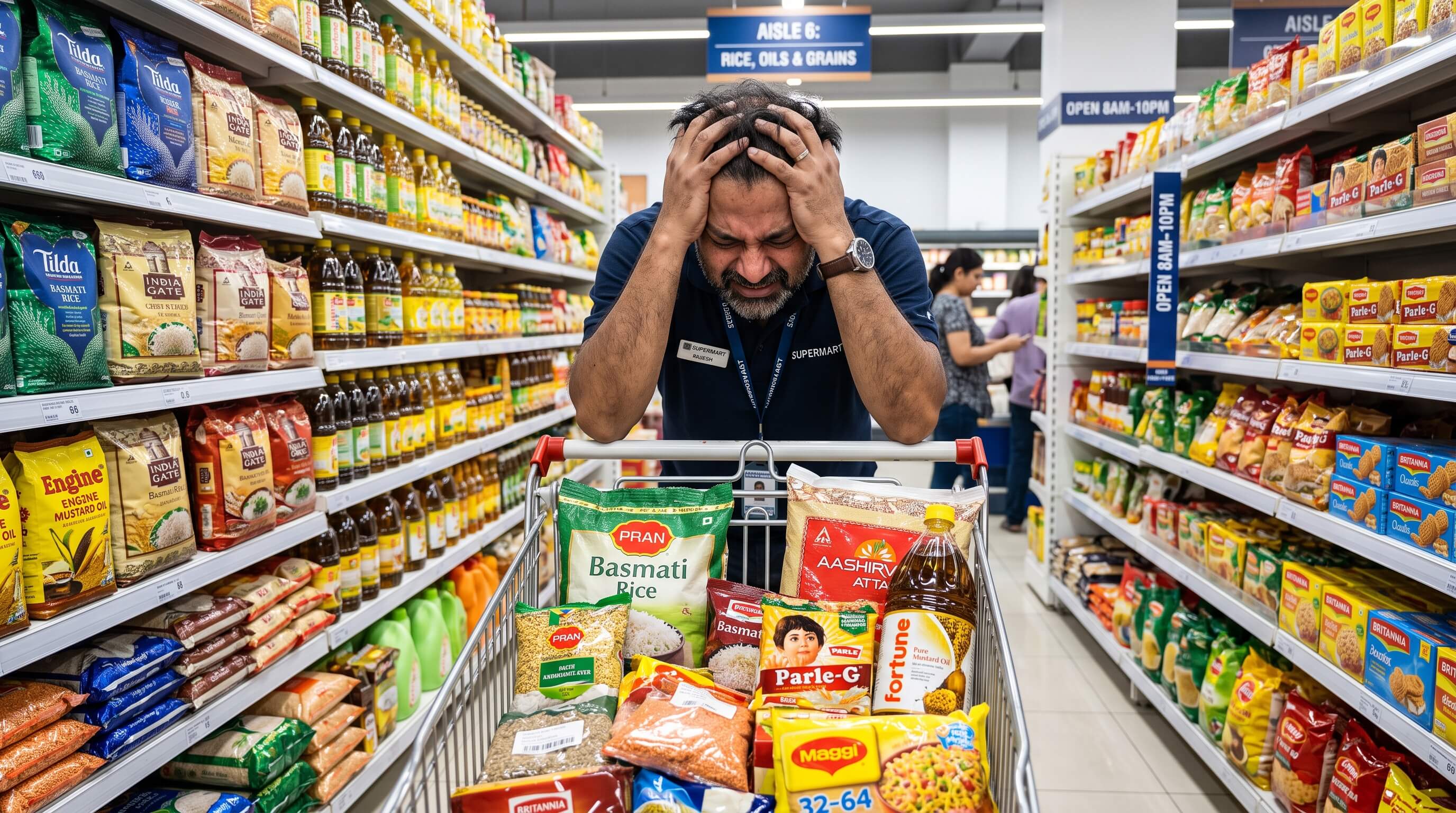
A shelf full of stock feels good, but unsold inventory is money you can't use for anything else, rent, staff, new products. New retailers often over-order in the excitement of stocking up, then run into cash flow trouble a month or two later. It's usually better to order smaller amounts more often than to buy in bulk before you know what actually sells in your location.
4. Ignoring shelf placement
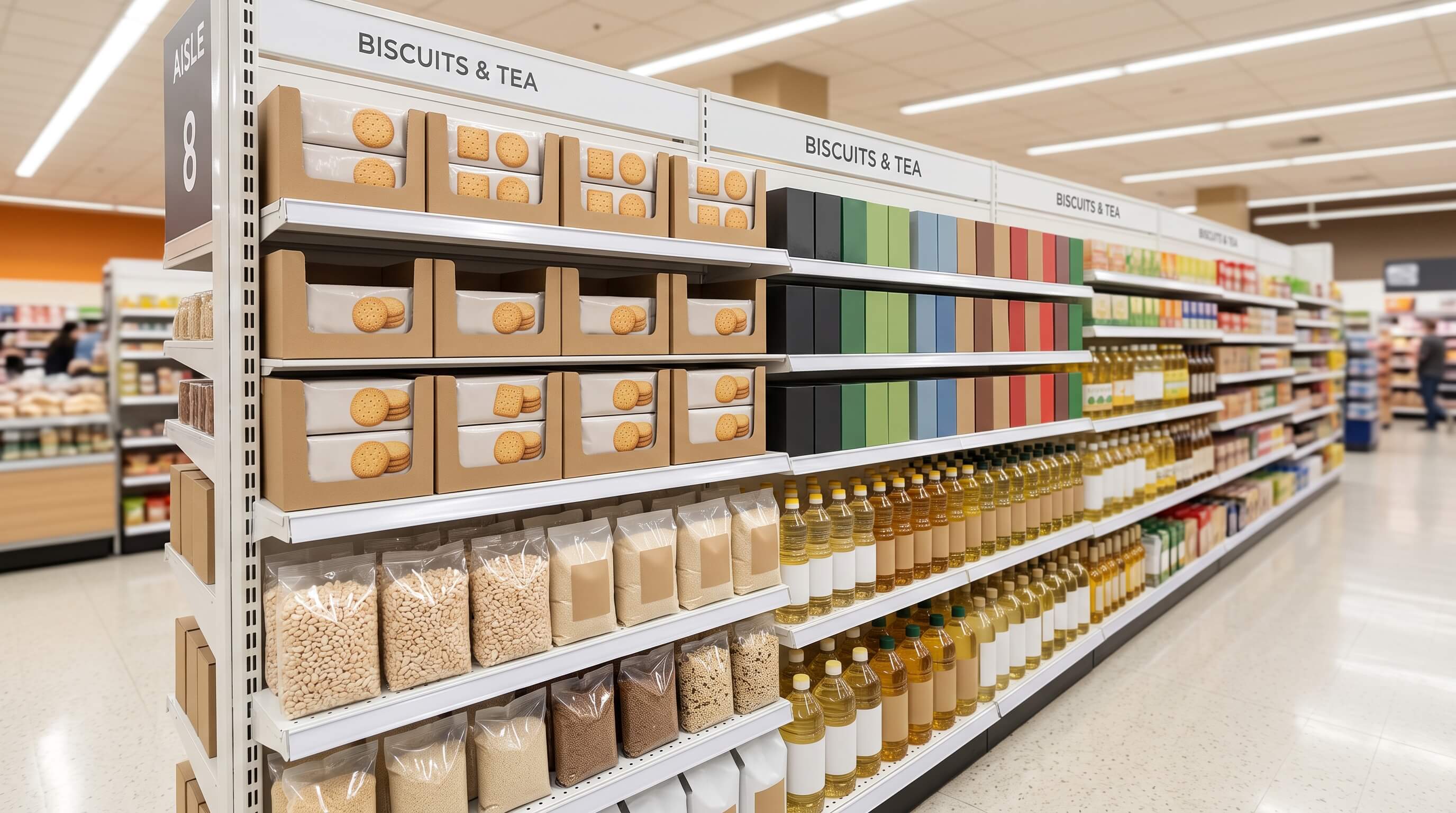
Where a product sits matters more than most new shop owners expect. Eye-level shelves sell more than bottom shelves. Items near the counter get picked up on impulse. Placing your best-margin or fastest-moving products in these prime spots, rather than wherever there happened to be space, can noticeably change your daily sales without spending a single extra rial on marketing.
5. Sticking with one supplier for everything
Relying on a single supplier can feel simpler, but it leaves you exposed if they run out of stock, raise prices, or slow down on deliveries. It's worth building a relationship with a supplier you trust for your core products, while still knowing a backup option exists for anything critical to your shop.
Most of these mistakes aren't about being bad at business, they're just things nobody tells you until you've already lived through them once. If you're setting up a new shop or still finding your footing, it's worth talking to your supplier about what they're seeing work for other retailers nearby. A good supplier isn't just delivering boxes, they should be someone you can ask these questions to.