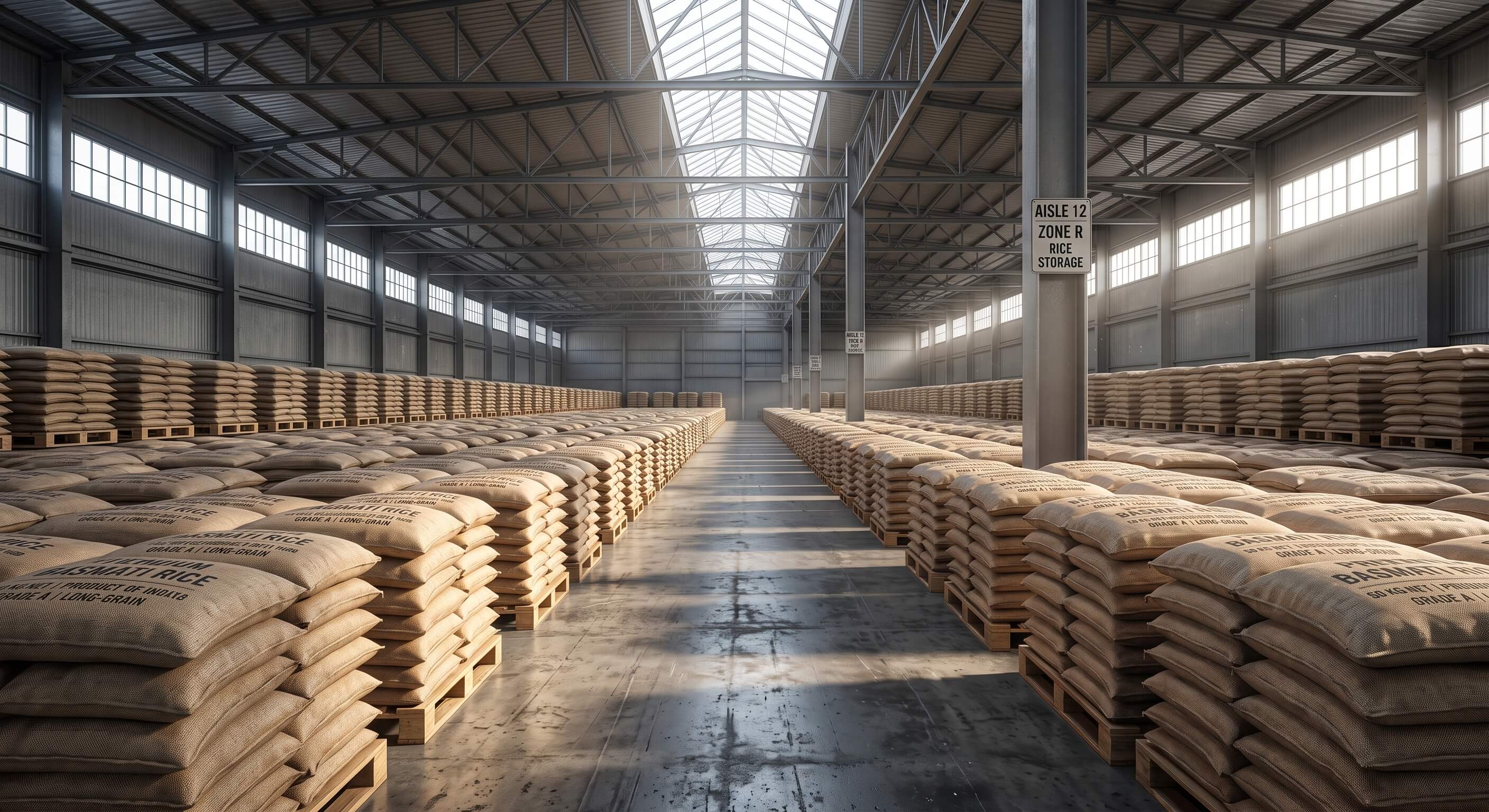
Grains are an important part of the grocery business. Rice, in particular, is a regular purchase for many households and a common product on grocery and supermarket shelves.
For retailers in Muscat, sourcing grains is not simply about finding the lowest price. The product needs to arrive in good condition, have clear information on its packaging, and be available when customers need it.
A reliable sourcing process can make everyday purchasing easier for retailers while helping them maintain consistent stock.
Why Grain Sourcing Matters in FMCG
FMCG products move through several stages before reaching the customer. A grain product may move from a producer or supplier to a distributor, then to a retailer and finally to the consumer.
Each stage needs proper coordination.
For a retailer, a disruption at an earlier stage can affect product availability. This is why choosing reliable suppliers and maintaining good inventory practices are important parts of FMCG distribution.
Start With the Right Product
Quality sourcing begins with understanding what customers actually want.
Different customers may prefer different types, brands and pack sizes of rice and other grains. A grocery store serving one neighbourhood may have different requirements from a larger supermarket.
Retailers should therefore look at their own sales history and customer preferences before deciding how much stock to purchase.
Instead of simply adding more products, focus on the products that have consistent demand.
Check Product Information Carefully
Food products should have clear and appropriate information on their packaging.
When sourcing grains, retailers should check details such as:
- Product name
- Net quantity
- Manufacturer or supplier information
- Batch or production information, where provided
- Expiry or best-before information, where applicable
- Storage instructions
- Other information required by applicable regulations
Clear product information helps retailers manage their inventory and gives customers useful information before purchase.
Packaging Is Part of Product Quality
The condition of grain packaging matters.
Bags, boxes or other packaging should arrive properly sealed and free from visible damage. Damaged packaging can create problems during storage, handling and sale.
Retailers should inspect incoming products before accepting large deliveries.
If there is a damaged package, the retailer should follow the supplier's procedure for reporting and resolving the issue.
Storage Matters After Delivery
Good sourcing does not end when the products reach the warehouse or store.
Grains should be stored according to the product and manufacturer's recommended conditions. The storage area should be clean, dry and suitable for food products.
Retailers should also keep products organized so that stock can be checked easily.
Good stock rotation is important as well. Products with earlier expiry or best-before dates should generally be prioritized for sale where appropriate.
Build a Reliable Supplier Relationship
A reliable supplier can make grain sourcing much easier.
Retailers should look beyond the price of a single order and consider the overall business relationship.
Important factors include:
- Product availability
- Consistent product quality
- Order accuracy
- Delivery reliability
- Clear communication
- Pricing and payment terms
- Handling of damaged or incorrect products
A supplier who consistently meets expectations can become an important part of a retailer's daily operation.
Balance Price With Value
Price will always matter in grocery retail. However, the cheapest product is not necessarily the best choice.
Retailers should consider the full value of the purchase.
For example, a slightly higher-priced product may be more suitable if it has reliable availability, good packaging and consistent customer demand.
Retailers should also consider their expected selling price and gross margin before placing large orders.
The objective is to find a balance between purchase cost, product quality, customer demand and profitability.
Use Inventory Data to Improve Purchasing
Modern FMCG operations can use sales and inventory information to make better purchasing decisions.
Retailers can track:
- Quantity sold
- Current stock
- Reorder frequency
- Slow-moving products
- Stock shortages
- Sales by product and pack size
This information helps show which products need regular replenishment.
It can also reduce the risk of purchasing too much stock that takes a long time to sell.
Avoid Both Overstocking and Stockouts
Two common inventory problems are having too much stock and having too little.
Overstocking can tie up working capital and increase the risk of products reaching their expiry or best-before dates.
Stockouts can mean missed sales and disappointed customers.
The right approach is to monitor demand and maintain stock levels that match the store's purchasing pattern.
Why Local Distribution Matters
For retailers in Muscat, working with a distributor that understands the local market can simplify the supply process.
A distributor can coordinate product sourcing, inventory and delivery, allowing retailers to focus more on their stores and customers.
Reliable local distribution can also make regular replenishment easier when products are in demand.
A Practical Checklist for Retailers
Before purchasing grain products, retailers can ask:
- Is the product suitable for my customers?
- Is the packaging in good condition?
- Is the product information clear?
- Is the remaining shelf life suitable?
- Is the supplier reliable?
- Can I replenish the product when stock becomes low?
- Does the purchase price allow a reasonable margin?
- Do I have suitable storage conditions?
These simple checks can help retailers make more informed purchasing decisions.
Building a Better FMCG Supply Chain
A strong FMCG supply chain does not depend on one decision. It comes from several small processes working together.
For grain products, that means choosing suitable products, working with reliable suppliers, checking deliveries, storing products properly and monitoring inventory.
For retailers in Muscat, the goal should be simple: source products that customers want, maintain consistent availability and manage stock carefully.