
22 Aug 2026
How to Choose the Right FMCG Distributor in Oman: A Practical Guide for Retailers
Running a supermarket or grocery store means keeping the right products available at the right time. But doing that depends heavily on the distributor you work with.
A reliable FMCG distributor in Oman can help you maintain stock, control purchasing costs and avoid unnecessary delays. On the other hand, an unreliable supplier can lead to empty shelves, missed sales and frustrated customers.
So, how do you choose the right distributor?
Price is important, but it should not be the only factor. You also need to look at product availability, delivery, quality, payment terms and customer service. In this guide, we’ll look at the key things grocery and supermarket owners should consider before choosing an FMCG distributor.
What Should You Look for in an FMCG Distributor in Oman?
Choosing a distributor is more than comparing two price lists. You are choosing a business partner that can directly affect your daily operations.
Here are the main things to check before making your decision.
1. Product Range That Fits Your Store
Start with the products you actually sell.
A distributor may offer hundreds of products, but that does not mean they are useful for your store. Look for a supplier whose product range matches your customers' regular needs.
It can also be convenient to source several products from the same distributor. Fewer suppliers can mean fewer orders to manage, simpler communication and more organized purchasing.
Before choosing a distributor, ask yourself:
“Can this supplier provide most of the products I regularly need?”
2. Reliable Product Availability
A good price means little if the product is constantly out of stock.
When a popular product is unavailable, customers may simply buy it from another store. Repeated stock shortages can therefore affect both your sales and customer loyalty.
Ask the distributor how they manage stock and how often they replenish their products. A reliable distributor should also communicate clearly when a product is temporarily unavailable.
For a grocery or supermarket owner, consistent product availability is often just as important as competitive pricing.
Compare Prices — But Don't Choose Based on Price Alone
Price is naturally one of the first things retailers compare. But the cheapest quotation is not always the best deal.
Look beyond the product price and consider the complete cost of doing business with the distributor.
Understand Your Real Cost
Before comparing suppliers, check what you are actually paying for each product.
Consider:
Product or carton price
VAT
Delivery charges, if applicable
Discounts or rebates
Minimum order requirements
Payment terms
A distributor with a slightly higher price may still offer better overall value if they provide reliable delivery, better service or more flexible terms.
Look at Your Potential Margin
Your purchase price is only one part of the calculation. You also need to consider how much you can reasonably earn from selling the product.
Look at:
Your purchase price
Expected selling price
Gross margin
How quickly the product sells
A product with a lower purchase price is not automatically the better choice. A product that sells consistently and provides a healthy margin can be more valuable to your business.
Check Delivery Coverage and Reliability
For a grocery or supermarket, getting products at the right time matters. Even a well-priced product is not useful if it does not arrive when you need it.
Before choosing an FMCG distributor in Oman, check whether their delivery service fits your store's location and ordering needs.
Does the Distributor Serve Your Area?
Ask about:
Delivery areas
Delivery frequency
Minimum order requirements
Regular delivery schedules
Urgent or additional orders
If your store is in Muscat, for example, make sure the distributor can provide consistent service in your area rather than relying on occasional deliveries.
Is Delivery Consistent?
A reliable distributor should make ordering and receiving products predictable.
You should know when to expect your regular deliveries and receive clear communication if there is a delay or stock issue.
For retailers, consistency matters because good delivery service helps maintain stock levels and reduces the risk of empty shelves.
Check Product Quality and Shelf Life
Price and availability are important, but product quality should never be overlooked.
This is especially important for food and other FMCG products with limited shelf lives. Poor product condition or short remaining shelf life can create problems for both the retailer and the customer.
Before working with a distributor, check:
Expiry dates
Product condition
Packaging quality
Storage practices
Batch information
Product rotation
Ask how the distributor handles products that arrive damaged or have quality issues. Clear procedures for returns and replacements can save you time and money later.
For food products, retailers should also make sure the products they purchase meet the applicable requirements in Oman.
Consider Payment Terms and Credit Options
Payment terms can have a direct effect on your store's cash flow.
Two distributors may offer similar prices, but their payment conditions could be very different. Before placing regular orders, make sure you understand exactly when and how you need to pay.
Understand the Payment Terms
Check whether the distributor offers:
Cash payment
Credit periods
Specific invoice due dates
Credit limits
Payment deadlines
Don't assume that credit terms are the same for every customer. Ask the distributor about their specific conditions before you start regular purchases.
Choose Terms That Match Your Cash Flow
Credit can be useful, but it should fit your business.
Think about how quickly you normally sell the products and collect money from your customers. A payment arrangement that works for one store may not work for another.
The goal is to find terms that allow you to manage your inventory and cash flow comfortably.
Evaluate Customer Service and Communication
A distributor relationship does not end when the products are delivered.
You may need help with an order, an invoice, a missing item or a product that is temporarily unavailable. Good communication can make these situations much easier to handle.
How Quickly Do They Respond?
Consider how easy it is to communicate with the distributor.
Look at:
Phone or WhatsApp support
Order confirmation
Product availability updates
Price updates
Invoice support
Complaint handling
You don't need a complicated system. What matters is getting clear answers when you need them.
What Happens When Something Goes Wrong?
Before choosing a distributor, ask how they handle common problems.
For example:
What happens if an item arrives damaged?
What if the delivered quantity is incorrect?
Can products be returned?
How are invoice errors corrected?
Who should you contact about payment issues?
A distributor's response when something goes wrong can tell you a lot about the quality of the overall business relationship.
Check the Distributor's Business Credentials
Before building a long-term relationship, make sure you understand who you are doing business with.
A professional distributor should be able to provide the relevant business and tax information required for its operations.
You can ask for:
Company registration details
Tax and VAT information, where applicable
Proper sales invoices
Product information
Relevant licences or documentation, where required
For food products, it is also important to consider applicable food-safety and product requirements in Oman.
Taking a few minutes to verify these details can help you avoid unnecessary problems later.
7 Questions to Ask Before Choosing an FMCG Distributor
Before making your decision, ask the distributor these simple questions:
What products do you currently supply?
Do you deliver to my area?
How often can you deliver?
What are your minimum order requirements?
What are your payment terms?
How do you handle damaged or problematic products?
How do you handle products that are temporarily out of stock?
You can ask the same questions to several distributors. This makes it easier to compare them based on more than just price.
The Right FMCG Distributor Is More Than a Supplier
Choosing a distributor is a business decision, not simply a purchasing decision.
The right partner should provide a balance of:
Right Products + Competitive Pricing + Reliable Stock + Timely Delivery + Good Service + Practical Business Terms
Don't choose a distributor after comparing only one quotation. Look at the complete relationship and consider how the distributor can support your store over time.
A supplier who consistently delivers the right products, at the right time and with clear communication can become an important part of your business.
Choose a Distributor You Can Grow With
Finding the right FMCG distributor may take some time, but it is worth doing carefully.
Start by comparing a few suppliers. Look at their product range, prices, delivery service, payment terms and customer support. If you're trying a new distributor, consider starting with a smaller order and evaluate the experience.
Pay attention to what happens after the order is placed. Are the products delivered on time? Is the stock in good condition? Are invoices accurate? Does the distributor respond when you need help?
These everyday experiences will tell you much more than a price list.
For supermarket and grocery-store owners in Oman, the best distributor is not necessarily the one offering the lowest price. It is the one that can provide consistent products, reliable service and a business relationship you can depend on.
Looking for an FMCG Distribution Partner in Muscat?
Fajr Crescent Trading LLC supplies FMCG products to retailers and grocery businesses across Muscat, with a focus on reliable product availability, competitive pricing and dependable service.
Contact Fajr Crescent Trading LLC to discuss your wholesale and distribution requirements.
13 Aug 2026
The Importance of Quality Mustard Oil: What Retailers and Consumers Should Know
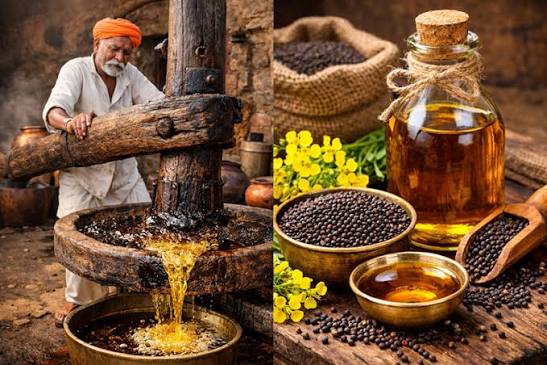
Mustard oil has a distinctive place in many kitchens. Its strong aroma, rich flavour and versatility make it a popular choice for cooking, frying and preparing traditional dishes.
But when it comes to mustard oil, quality matters. The oil you choose can affect the taste, aroma and overall cooking experience. For retailers, offering a dependable mustard oil also helps build customer trust and encourage repeat purchases.
So, what makes mustard oil worth choosing, and what should you look for when selecting a quality product?
What Makes Mustard Oil Different?
Mustard oil comes from mustard seeds and is known for its characteristic aroma and strong, slightly pungent taste.
These qualities make it different from more neutral cooking oils. Many consumers choose mustard oil specifically because they enjoy its traditional flavour and want to use it in familiar recipes.
Its versatility also makes it useful for different types of cooking, depending on local culinary preferences.
Why Quality Matters
Not all mustard oils offer the same experience.
A quality product should have consistent taste, aroma and appearance. Good manufacturing and proper storage also help maintain the product's characteristics from production to the customer's kitchen.
For consumers, choosing a reliable product can provide more confidence when using mustard oil regularly.
For retailers, quality is equally important. Customers who are satisfied with a product are more likely to purchase it again.
What Should You Look for When Buying Mustard Oil?
Whether you are a consumer or a retailer, a few basic checks can help you make a better choice.
Check the Packaging
Look for packaging that is properly sealed and in good condition.
The label should clearly provide important product information, such as:
Product name
Net quantity
Manufacturer or supplier information
Production or batch information
Expiry or best-before date
Storage instructions, where applicable
Good packaging also helps protect the oil from contamination and improper handling.
Check the Date
Always check the expiry or best-before information before purchasing.
Retailers should pay particular attention to stock rotation. Older stock should generally be sold before newer stock so products remain within their recommended shelf life.
Consider the Brand and Source
A product from a reliable manufacturer or distributor gives retailers and consumers greater confidence.
For retailers, it is useful to work with suppliers who can provide consistent product availability and clear product information.
Proper Storage Is Important
Even a good-quality mustard oil needs to be stored properly.
Retailers should keep products in a suitable environment and follow the manufacturer's storage recommendations.
Avoid exposing bottles to excessive heat or direct sunlight for long periods. Proper storage helps maintain product quality throughout its shelf life.
At home, consumers should also follow the storage instructions on the product label.
Why Mustard Oil Can Be a Good Grocery Category
For retailers, mustard oil can be an important part of a grocery product range because it is a regular kitchen essential for many customers.
Different customers may look for different:
Brands
Bottle sizes
Price points
Product specifications
Instead of stocking too many similar products, retailers can focus on products that match the preferences of their local customers.
Quality Builds Customer Trust
Retailers often focus on price when choosing grocery products. Price is important, but it is not the only factor.
Customers also notice whether a product delivers a consistent experience.
If customers regularly find good-quality mustard oil at a reasonable price, they are more likely to return for the same product.
That is why retailers should consider quality, price and reliable supply together when choosing products for their shelves.
A Simple Guide for Retailers
Before adding a mustard oil product to your store, consider:
Is the product from a reliable source?
Is the packaging properly sealed?
Is the remaining shelf life suitable?
Does the price match your customers' expectations?
Is the product available consistently?
Can you replenish the stock easily?
These simple checks can help you choose products that are more suitable for your customers and easier to manage.
Conclusion
Quality mustard oil is about more than just price. Consistent taste, aroma, packaging, shelf life and reliable sourcing all contribute to the overall product experience.
For consumers, choosing a dependable product can make everyday cooking more enjoyable. For retailers, offering quality products can help build customer confidence and encourage repeat purchases.
The best approach is simple: choose quality, check the product information and work with reliable suppliers.
13 Aug 2026
Transforming FMCG Supply Chains: Sourcing Quality Grains in Muscat
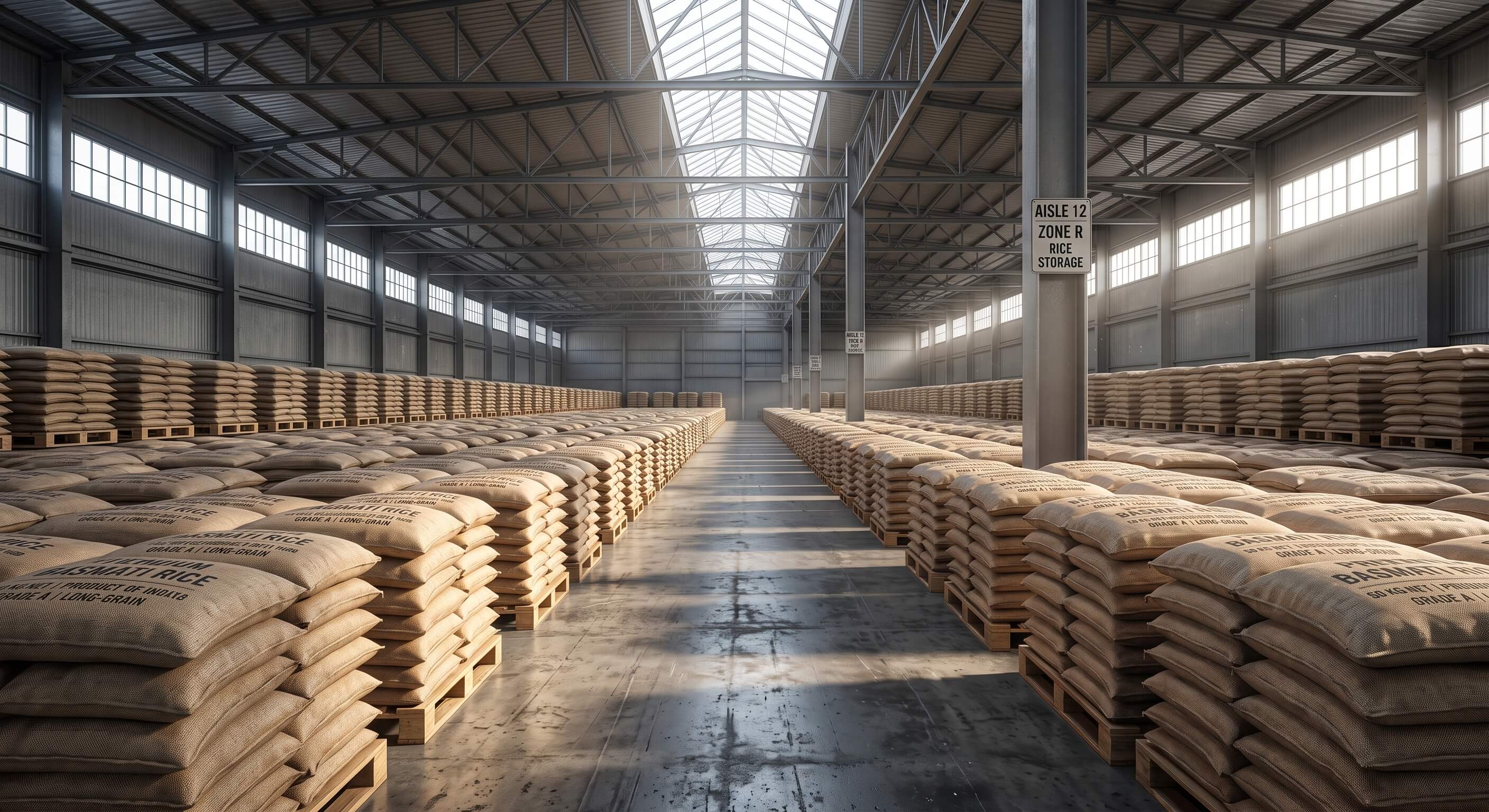
Grains are an important part of the grocery business. Rice, in particular, is a regular purchase for many households and a common product on grocery and supermarket shelves.
For retailers in Muscat, sourcing grains is not simply about finding the lowest price. The product needs to arrive in good condition, have clear information on its packaging, and be available when customers need it.
A reliable sourcing process can make everyday purchasing easier for retailers while helping them maintain consistent stock.
Why Grain Sourcing Matters in FMCG
FMCG products move through several stages before reaching the customer. A grain product may move from a producer or supplier to a distributor, then to a retailer and finally to the consumer.
Each stage needs proper coordination.
For a retailer, a disruption at an earlier stage can affect product availability. This is why choosing reliable suppliers and maintaining good inventory practices are important parts of FMCG distribution.
Start With the Right Product
Quality sourcing begins with understanding what customers actually want.
Different customers may prefer different types, brands and pack sizes of rice and other grains. A grocery store serving one neighbourhood may have different requirements from a larger supermarket.
Retailers should therefore look at their own sales history and customer preferences before deciding how much stock to purchase.
Instead of simply adding more products, focus on the products that have consistent demand.
Check Product Information Carefully
Food products should have clear and appropriate information on their packaging.
When sourcing grains, retailers should check details such as:
Product name
Net quantity
Manufacturer or supplier information
Batch or production information, where provided
Expiry or best-before information, where applicable
Storage instructions
Other information required by applicable regulations
Clear product information helps retailers manage their inventory and gives customers useful information before purchase.
Packaging Is Part of Product Quality
The condition of grain packaging matters.
Bags, boxes or other packaging should arrive properly sealed and free from visible damage. Damaged packaging can create problems during storage, handling and sale.
Retailers should inspect incoming products before accepting large deliveries.
If there is a damaged package, the retailer should follow the supplier's procedure for reporting and resolving the issue.
Storage Matters After Delivery
Good sourcing does not end when the products reach the warehouse or store.
Grains should be stored according to the product and manufacturer's recommended conditions. The storage area should be clean, dry and suitable for food products.
Retailers should also keep products organized so that stock can be checked easily.
Good stock rotation is important as well. Products with earlier expiry or best-before dates should generally be prioritized for sale where appropriate.
Build a Reliable Supplier Relationship
A reliable supplier can make grain sourcing much easier.
Retailers should look beyond the price of a single order and consider the overall business relationship.
Important factors include:
Product availability
Consistent product quality
Order accuracy
Delivery reliability
Clear communication
Pricing and payment terms
Handling of damaged or incorrect products
A supplier who consistently meets expectations can become an important part of a retailer's daily operation.
Balance Price With Value
Price will always matter in grocery retail. However, the cheapest product is not necessarily the best choice.
Retailers should consider the full value of the purchase.
For example, a slightly higher-priced product may be more suitable if it has reliable availability, good packaging and consistent customer demand.
Retailers should also consider their expected selling price and gross margin before placing large orders.
The objective is to find a balance between purchase cost, product quality, customer demand and profitability.
Use Inventory Data to Improve Purchasing
Modern FMCG operations can use sales and inventory information to make better purchasing decisions.
Retailers can track:
Quantity sold
Current stock
Reorder frequency
Slow-moving products
Stock shortages
Sales by product and pack size
This information helps show which products need regular replenishment.
It can also reduce the risk of purchasing too much stock that takes a long time to sell.
Avoid Both Overstocking and Stockouts
Two common inventory problems are having too much stock and having too little.
Overstocking can tie up working capital and increase the risk of products reaching their expiry or best-before dates.
Stockouts can mean missed sales and disappointed customers.
The right approach is to monitor demand and maintain stock levels that match the store's purchasing pattern.
Why Local Distribution Matters
For retailers in Muscat, working with a distributor that understands the local market can simplify the supply process.
A distributor can coordinate product sourcing, inventory and delivery, allowing retailers to focus more on their stores and customers.
Reliable local distribution can also make regular replenishment easier when products are in demand.
A Practical Checklist for Retailers
Before purchasing grain products, retailers can ask:
Is the product suitable for my customers?
Is the packaging in good condition?
Is the product information clear?
Is the remaining shelf life suitable?
Is the supplier reliable?
Can I replenish the product when stock becomes low?
Does the purchase price allow a reasonable margin?
Do I have suitable storage conditions?
These simple checks can help retailers make more informed purchasing decisions.
Building a Better FMCG Supply Chain
A strong FMCG supply chain does not depend on one decision. It comes from several small processes working together.
For grain products, that means choosing suitable products, working with reliable suppliers, checking deliveries, storing products properly and monitoring inventory.
For retailers in Muscat, the goal should be simple: source products that customers want, maintain consistent availability and manage stock carefully.